

In conversations with retirees, one tense question comes up frequently:
“Do I focus on building more wealth or on keeping what I’ve already built steady and secure?”
It’s a deeply personal question. For some, wealth represents flexibility, opportunity, and more options regarding their future. For others, stability represents comfort, predictability, and peace of mind. While much of the financial industry emphasizes growth and accumulation, many retirees describe confidence as coming from something quieter—clarity around what truly matters to them.
Over time, it becomes clear that wealth and stability are not opposing forces. They reflect different priorities, and how the way individuals think about these two matters often evolves throughout retirement.
Wealth and Stability: Two Related but Distinct Ideas
In retirement discussions, wealth and stability are often described in different ways.
- Wealth is commonly associated with accumulation—growing assets, expanding resources, and increasing net worth.
- Stability is often described in terms of resilience—how protected those assets feel during periods of uncertainty or economic change.
One retiree summed it up like this: “Wealth gives you options. Stability lets you sleep.”
While both concepts play important roles in retirement, the relative emphasis placed on each varies based on personal priorities, experiences, and comfort with uncertainty.
What “Enough” means for Retirees
Across many conversations, one common trait appears among retirees who feel grounded: They have a personal sense of what “enough” means to them.
This definition rarely comes from formulas or comparisons. Instead, it reflects individual values, lifestyle expectations, and long-term needs. Having this clarity often influences how retirees think about risk, income, and protection.
The Consumer Financial Protection Bureau (CFPB) notes that understanding baseline expenses and financial obligations can support clearer decision-making later in life.
When baseline needs are better understood, conversations about growth versus protection can become less abstract and more personal.
When Wealth Remains a Central Focus
For some retirees, continued wealth accumulation remains meaningful. This perspective often appears in discussions involving:
- Legacy goals for children or grandchildren
- Philanthropic interests
- Maintaining a highly flexible lifestyle
- Long-term growth horizons
In these cases, wealth is often viewed as a way to expand possibilities. At the same time, retirees frequently note the importance of balance—recognizing that growth alone does not always equate to confidence or peace of mind.
When Stability Takes Priority
For other retirees, stability becomes the dominant theme. Conversations about stability often center on durability and predictability rather than expansion.
Common characteristics associated with this mindset include:
- Preference for more predictable income patterns
- Reduced comfort with market volatility
- Desire for simpler, easier-to-manage financial strategies
- Interest in assets historically viewed as stores of wealth
Diversification is frequently discussed in the context of stability. Physical gold and silver, for example, have historically been viewed as tools for balancing paper-based assets during periods of inflation or market stress.
Contributions to Financial Peace of Mind
After years of observing retirement decision-making, analysts notice that one pattern stands out: Financial peace of mind is often associated with alignment rather than accumulation.
This peace of mind is frequently described in connection with:
- A clear understanding of personal risk tolerance
- Financial strategies that can be easily explained and understood
- Confidence that savings are not overly exposed to unnecessary volatility
- A sense that wealth supports personal values and priorities
Whether retirees lean toward growth or stability, they often find that confidence tends to come from coherence—when financial choices feel consistent with the life they want to live.
A Common Way Retirees Think About Structure
In many retirement conversations, financial resources are informally grouped into layers rather than strategies.
Growth (Wealth)
This layer is often associated with expansion and long-term appreciation. It may include market-based or income-producing assets that contribute to overall net worth.
Preservation (Stability)
This layer is commonly discussed in terms of durability—assets intended to hold their purchasing power over time and provide balance during uncertainty. Physical precious metals are often referenced here because of their independence from corporate earnings and market cycles.
Protection (peace of mind)
This layer tends to focus on security and continuity, including liquidity, insurance coverage, estate documentation, and clearly defined beneficiaries. Retirees often describe this layer as emotionally grounding.
Wealth and Stability as a Continuum
Most retirees do not frame their retirement in terms of choosing wealth or stability. Instead, they describe a blend shaped by:
- Personal values
- Long-term goals
- Health considerations
- Family dynamics
- Comfort with uncertainty
One idea that resonates in many retirees’ financial conversations is this: The goal isn’t a perfect portfolio—it’s a life that feels supported. Wealth can expand options. Stability can protect them. Peace of mind often emerges where the two intersect.
Retirement planning often becomes clearer when the focus shifts from numbers alone to underlying principles. Questions around freedom, security, legacy, simplicity, and resilience tend to guide how retirees think about wealth and stability over time.
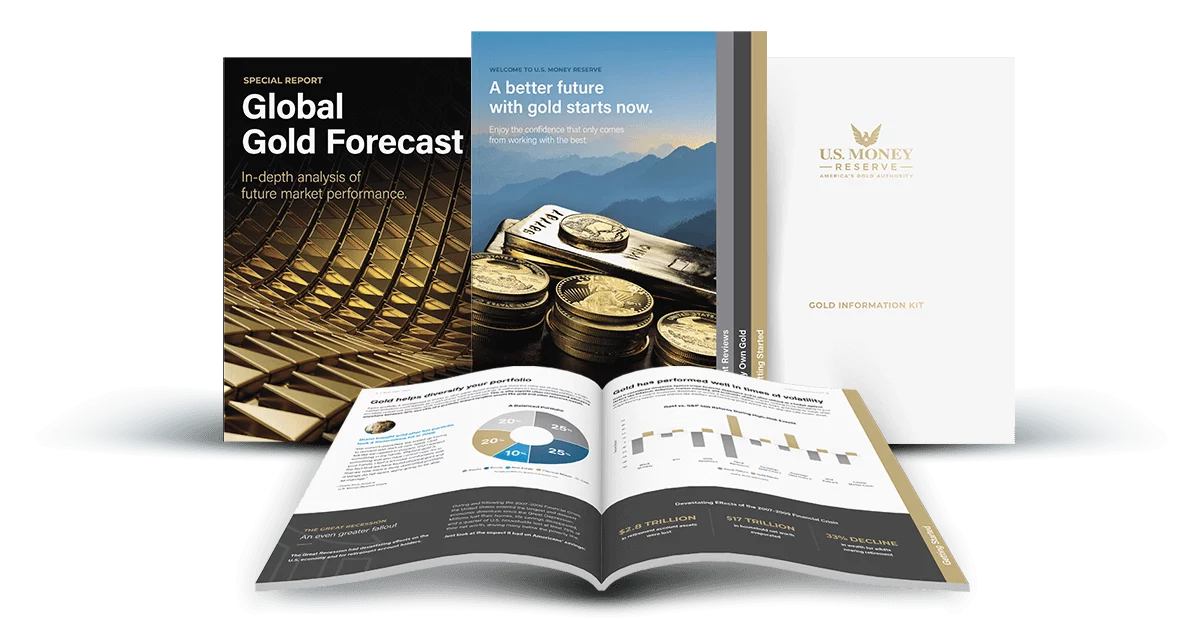
When financial structures reflect personal priorities, decisions often feel less reactive and more intentional. For those interested in learning more about wealth protection concepts or the historical role of tangible assets, additional educational resources are available through U.S. Money Reserve. You can explore a free Gold Information Kit here.
FAQs: Wealth vs. Stability in Retirement
Is wealth or stability more important in retirement?
Retirees often describe both as important, with the balance between the two shaped by individual goals, values, and comfort with uncertainty.
How do retirees define financial peace of mind?
Peace of mind is frequently associated with clarity, predictability, and confidence that financial resources align with personal priorities.
Why do some retirees focus more on stability later in life?
As circumstances change, some retirees place greater importance on resilience, simplicity, and protection from volatility.
Do precious metals play a role in retirement discussions?
Many retirees reference gold and silver as tangible assets that have historically been associated with portfolio diversification and long-term wealth preservation.