

Generation Xers—those born between 1965 and 1980—rarely ask for permission and rarely expect guarantees. Often described as pragmatic, skeptical, and self-directed, this generation learned early that systems change, institutions fail, and adaptability matters.
As Gen Xers moves through peak earning years and deeper into long-term financial planning, they are approaching portfolio decisions increasingly shaped by those traits. Rather than relying on sweeping narratives or generational optimism, Gen Xers tends to prioritize understanding, structure, and personal accountability. This article explores what research and cultural patterns show about Gen Xers’ financial mindset, why it differs from that of both Baby Boomers and millennials, and what it means for Gen Xers seeking diversification, wealth protection, and long-term financial resilience.
A Generation That Learned to Rely on Itself
Gen Xers grew up during a period of economic transition. Many entered the workforce amid recessions, corporate downsizing, and the gradual disappearance of longstanding employment guarantees.
They watched:
- pension systems give way to self-managed retirement accounts,
- corporate loyalty become conditional, and
- economic volatility emerge as a recurring feature rather than an exception.
Pew Research Center has consistently found that Gen Xers display higher institutional skepticism and stronger self-reliance compared to both Boomers and millennials. That skepticism doesn’t translate to disengagement—rather, it often leads to deeper personal involvement in decision-making.
The DIY Financial Mindset
Gen X is frequently described as the original “figure it out yourself” generation. Many learned early to navigate complexity independently—without extensive guidance or safety nets.
That mindset carried into adulthood, leading those in Gen X to:
- teach themselves new financial systems,
- research options rather than follow scripts, and
- value clarity over persuasion.
Research from the Center for Creative Leadership suggests that individuals who develop autonomy early tend to build stronger internal decision frameworks later in life. For Gen X, trusting personal judgment is less about confidence for its own sake and more about familiarity with responsibility.
How Market Cycles Shaped Gen X’s View of Risk
Gen Xers’ formative financial years coincided with major market disruptions.
They experienced:
- the Dot-Com Crash as they began saving in earnest for the future,
- the 2008 Global Financial Crisis during their prime earning years, and
- pandemic-era volatility while supporting their families and aging parents.
Behavioral economics research suggests that repeated exposure to disruption tends to produce risk awareness rather than risk avoidance. This helps explain why Gen Xers often approach portfolio decisions with balance and caution—without defaulting to extremes.
Why Structure Resonates More Than Promises
Gen Xers tend to be less responsive to aspirational messaging and more drawn to frameworks that explain how things work.
In financial contexts, this often means interest in:
- portfolio construction concepts,
- asset exposure across different conditions, and
- understanding where vulnerabilities exist.
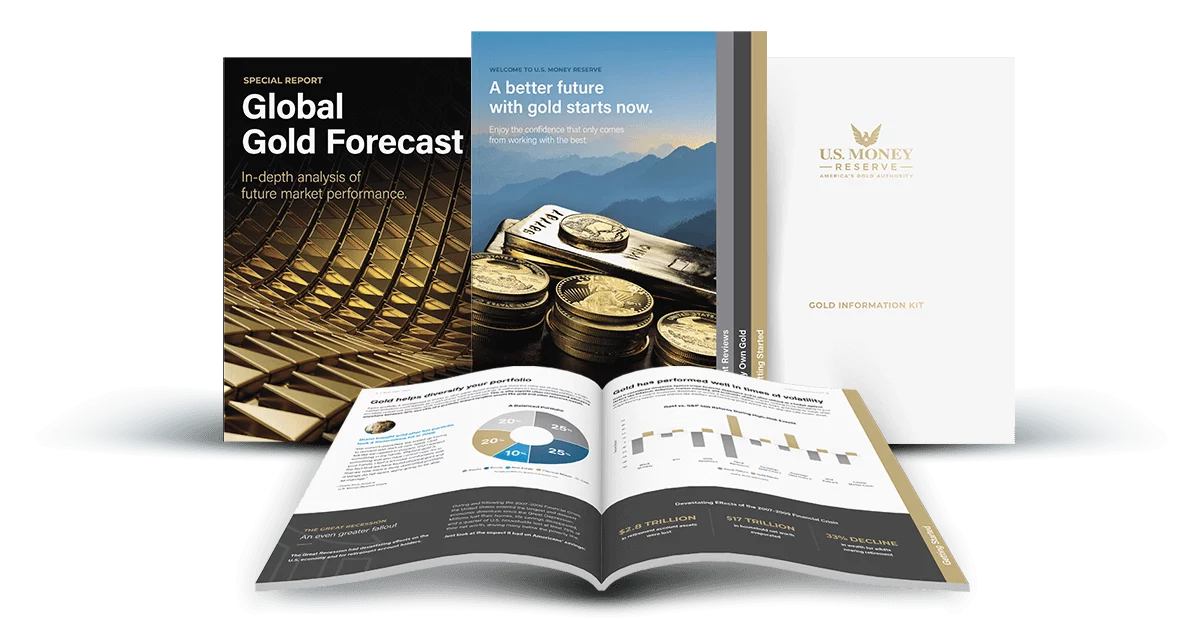
Economists commonly describe diversification as a structural principle rather than a performance strategy—one that spreads exposure across assets that behave differently over time. U.S. Money Reserve’s educational resource outlines this framework in detail.
For Gen X, structure provides confidence without requiring blind trust.
Wealth Protection Through a Gen X Lens
Wealth protection conversations often resonate with Gen Xers for practical reasons. This generation frequently occupies the “sandwich” years—balancing career demands, children’s expenses, and care for aging parents.
That reality encourages a mindset focused on durability and preparedness rather than perfection.
My article on wealth protection frames the topic around long-term resilience, balance, and understanding exposure. This framing aligns naturally with Gen Xers’ preference for realism over reassurance.
Tangibility and Trust in Financial Choices
Gen Xers grew up in an analog world and adapted to a digital one. That dual experience influences how they think about ownership and trust.
For some Gen Xers, tangible assets feel grounding—verifiable, understandable, and not entirely dependent on digital systems. This helps explain why physical assets sometimes appear in broader conversations about diversification and financial resilience.
One such tangible asset, which can be held both at home and within an IRA, is physical precious metals.
For a robust review of precious metals IRAs, see our free guide that explains how these accounts are structured and gives their potential benefits in retirement contexts.
Comfortable with Complexity, Unimpressed by Hype
Gen Xers are highly active with digital tools but selective in their use. Pew Research shows Gen Xers adopt technology readily, especially for financial tracking and research, while remaining cautious about oversimplified solutions.
This results in a decision style that blends:
- independent research,
- skepticism toward marketing claims, and
- preference for clarity over polish.
Gen Xers don’t expect certainty, but do expect transparency.
How this Complements the Boomer Mindset
While Boomers often trust decisions grounded in long-term experience, Gen Xers tend to trust decisions grounded in understanding and preparedness. For readers interested in how generational perspectives differ, this article discusses Baby Boomers and portfolio confidence:
Together, these perspectives highlight how different generations approach similar financial questions through distinct lenses.
Additional Educational Resources
For Gen X readers who appreciate structure, clarity, and self-directed understanding, these U.S. Money Reserve resources provide further context:
- Portfolio Diversification Concepts
https://www.usmoneyreserve.com/portfolio-diversification/ - Wealth Protection Explained
https://www.usmoneyreserve.com/news/executive-insights/what-is-wealth-protection/ - Precious Metals IRAs (Educational Overview)
https://www.usmoneyreserve.com/precious-metals-ira/
FAQs about Gen X and Portfolio Decisions
Why do Gen Xers approach portfolio decisions differently?
Gen Xers’ formative exposure to economic disruption and institutional change shaped a more self-reliant, analytical decision style.
Is Gen X more risk-averse than other generations?
Gen X is often risk-aware rather than risk-averse, balancing caution with adaptability based on lived experience.
Do Gen Xers trust financial institutions?
Gen Xers tend to prioritize transparency and understanding over authority or branding alone.