
Throughout my years working in retirement education, I’ve watched Americans navigate uncertainty during some of the most challenging economic periods in modern history. One thing quickly became clear: Risk isn’t just a financial concept—it’s something people feel.
And for those above age 60, retirement risk begins to take on a new meaning. It’s no longer an abstract number on a chart. It becomes about real-life questions:
- Will my savings support my daily needs in retirement?
- How might rising prices affect my lifestyle?
- How do I stay resilient if the world changes again?
At U.S. Money Reserve, we focus on wealth protection, which requires understanding risk not just in numbers, but in lived experience.
Why Portfolio Risk Changes After 60
Retirees today face a landscape marked by evolving economic realities. Several trends have shaped how people perceive risk in recent years:
1. Persistent Inflation has Raised Everyday Costs
Inflation has remained above the Federal Reserve’s long-term 2% target for many of the past several years, the U.S. Bureau of Labor Statistics reports. Even modest price increases can compound quickly over time, placing sustained pressure on household budgets—particularly for retirees living on fixed incomes.
2. Many Households Are Worried About their Financial Security in Retirement
A growing number of Americans approaching retirement say they are unsure whether their savings will be enough to support them for decades after leaving the workforce. According to the Schroders U.S. Retirement Survey 2024, nearly half of respondents report expecting to retire with less than half the amount they believe they will ideally need.
3. Rising Costs Have Changed Day-to-Day Decisions for Many Retirees
A Nationwide Financial survey of retired Social Security recipients shows that more than half are cutting discretionary spending, and nearly one third are reducing spending on essentials like groceries and medical care. With the projected 2026 cost-of-living adjustment expected to fall short of actual price increases, many older Americans may need to dip into savings or seek assistance to cover basic living expenses.
4. Analysts are Challenging the Traditional Portfolio Approach
The days of the 60/40 portfolio mix of stocks and bonds may be coming to an end. From Goldman Sachs to Morgan Stanley, major firms are now recommending a new 60/20/20 mix that incorporates gold and other precious metals.
Together, these factors change not just what risk is, but what it feels like.
Safe Financial Planning After 60 Begins with Your Lived Reality
Traditional “risk tolerance questionnaires” often rely on hypothetical scenarios.
But after 60, risk becomes more practical and personal. Ask yourself:
- How much flexibility do I want each month?
- How do changes in the economy affect my confidence?
- How sensitive am I to fluctuations in my savings?
These are questions about experience, not formulas.
Your answers can help clarify how much stability you want in your financial approach and how to distribute resources across different types of assets.
Diversification—spreading resources across multiple categories—can help reduce reliance on any single market outcome. For some individuals, this may include exploring tangible assets such as physical precious metals as part of a broader diversification strategy.
The goal is not to eliminate uncertainty, but to build a framework that aligns with your comfort level and long-term priorities.
Understanding the Different Types of Risk in Retirement
Market Fluctuation Risk
This refers to the natural ups and downs of markets. For those drawing from their savings, changes in market conditions may feel more impactful.
Inflation and Purchasing Power Risk
Inflation may gradually influence what your savings can buy over time, especially during periods of rising consumer costs.
Longevity and Timing Risk
Longer life expectancies bring a wider range of possible financial needs. The timing of market shifts, interest rate changes, or unexpected expenses may affect long-term plans.
Emotional Risk
Your comfort level matters. If your financial approach leads to stress, worry, or frequent second-guessing, that emotional burden can affect your overall sense of stability.
Risk, especially after 60, is ultimately about whether your plan helps you feel secure—not just whether it fits a model.
Why Diversification Has Become So Important
One way many people address risk is by diversifying their savings, meaning they structure their resources across different types of assets so no single category defines their entire outlook.
At U.S. Money Reserve, we focus on the role tangible assets—such as physical gold and silver—can play in a long-term diversification strategy.
Precious metals:
- are physical assets,
- have been recognized globally as a vehicle for building generational wealth,
- have historically served as a hedge against inflation and market volatility, and
- do not rely on the performance of any single company.
Why Some People Over 60 Look to Precious Metals for Stability
I’ve seen how tangible assets can help support long-term confidence for those seeking a broader approach to wealth protection.
Trends driving gold’s recent rally include:
Ongoing Interest From Central Banks Worldwide
Central banks have purchased more than 1,000 metric tons of gold in each year of 2022, 2023, and 2024—more than double the 400- to 500-ton annual average seen during the previous decade, according to the World Gold Council. In 2025, central banks purchased about 863 metric tons of gold, still far above the historical average.
This sharp increase in demand reflects a period of heightened geopolitical tension and economic uncertainty, conditions that have complicated the outlook for retirees and global markets alike.
Continued Attention on Inflation Protection
Research from the European Central Bank shows that during episodes of elevated geopolitical risk, economic policy uncertainty, or extreme stock-market volatility, gold prices historically tend to rise while equities decline—which can help offset losses in diversified portfolios.
One example occurred during the 2007–2009 Global Financial Crisis, when equities fell sharply while gold generated positive returns over the same period, reinforcing gold’s longstanding role as a trusted hedge during systemic market stress.
Increased Retirement Conversations Around Resilience
Gold tends to move differently than many traditional assets. Research from the World Gold Council shows that gold’s correlation with equities often becomes negative during market sell-offs, meaning its price may hold or increase while stocks decline. U.S. Money Reserve provides education and client support for those who wish to include physical precious metals as part of a broader diversification strategy.
Understanding Your Retirement Risk Comfort After 60
Consider following this practical framework:
1. Identify Your “Non-Negotiable” Needs
These include essential expenses and any financial commitments that form your foundation.
2. Consider How Different Economic Environments Feel to You
Your comfort level during periods of uncertainty helps inform your personal relationship with risk.
3. Evaluate How Much Stability You Prefer
Some people feel grounded when a portion of their resources is placed in tangible assets or traditionally steady categories.
4. Align Your Choices With Your Own Intuition
Risk tolerance is deeply personal. After 60, many rely on both their experience and their instincts when making decisions. This framework does not tell you what to do—it helps you understand yourself, so your long-term plan matches your personal values and comfort level.
How to Strengthen Your Portfolio After 60
After 60, risk is less about technical definitions and more about confidence—confidence that your resources can support your needs, that your plan reflects your personal values, and that you have the tools to stay steady through change.
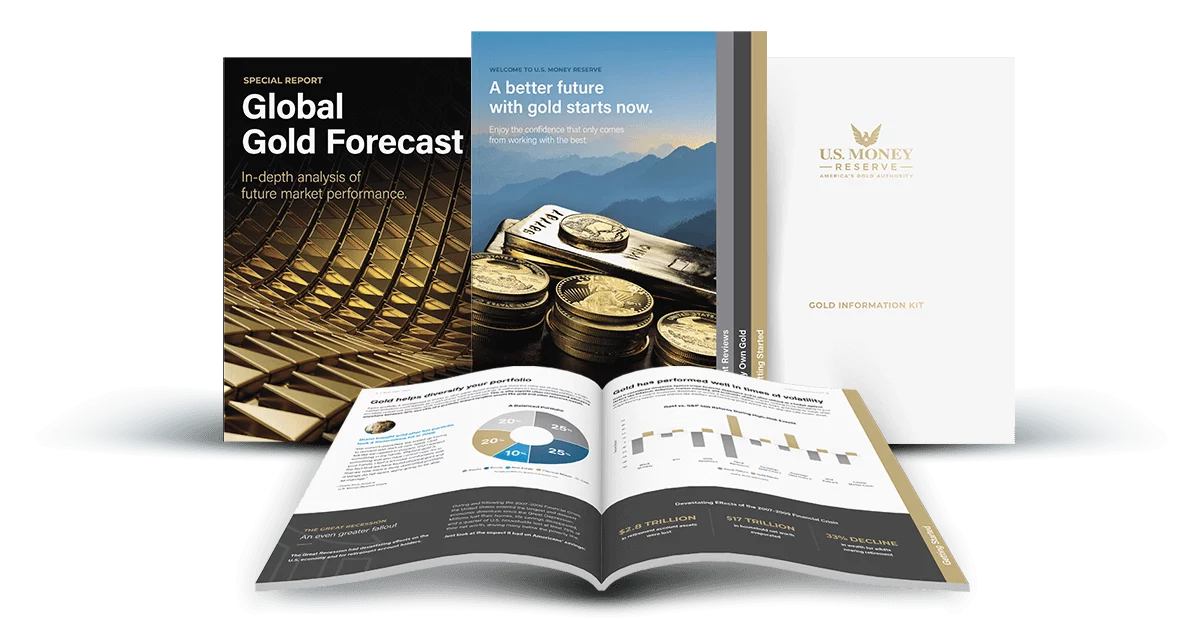
If you are exploring long-term wealth protection strategies or want to learn more about how tangible assets may fit into a broader diversification approach, U.S. Money Reserve offers a free Gold Ownership Guide and educational resources.
FAQs About Understanding Risk After 60
What does “risk” mean in retirement?
Risk refers to how different economic conditions—such as inflation, market changes, or longevity—may influence long-term financial planning.
How does risk tolerance change after age 60?
Many people become more aware of stability, essential needs, and long-term resilience as they approach or live in retirement.
Why do some people include precious metals in a diversified approach?
Some choose to include tangible assets like physical gold or silver because they have historically served as long-term stores of wealth and may help support broader diversification.