
One of the most encouraging truths I’ve learned throughout my career is that you don’t have to be a financial expert to build a strong, lasting legacy for the people you love.
At U.S. Money Reserve, our mission has always been rooted in wealth protection. We help everyday Americans safeguard what they’ve worked so hard to build so they can pass it on with confidence. And we do this by empowering people with simple, clear information that supports long-term stability.
Whether you work with a financial advisor or prefer to handle things independently, you absolutely have the ability to take meaningful steps toward protecting your family’s future. Legacy is not reserved for experts—it’s available to anyone who chooses to plan with intention.
Legacy Planning Is About Care, Not Complexity
For many families, the word “legacy” can feel intimidating. But legacy isn’t about knowing every detail of the financial world. It’s about understanding what you want to preserve and making sure your loved ones are protected after you’re gone.
The strongest legacy plans I’ve seen are grounded in three things:
- Clarity
- Simplicity
- Purpose
These qualities matter far more than financial expertise.
Step 1: Know What You Want Your Legacy to Stand For
Ask yourself:
- What core values do I want to pass on?
- What kind of support do I want to leave behind?
- Who relies on me, now or in the future?
- What matters most to my family’s long-term security?
Your answers form the heart of your legacy plan. Advisors can help, but the vision comes from you.
Step 2: Get Organized—Your Way
You don’t need advanced knowledge to organize your financial life. Simple steps can make a tremendous difference for your family:
- Gather important documents in one place.
- Ensure beneficiaries are up to date.
- Create a list of accounts.
- Provide digital access instructions.
- Write down your wishes in clear language.
Many families tell me that this last step alone brings immediate peace of mind.
Legacy for Grandkids: Small, Intentional Choices Add Up
I speak with many grandparents who want to leave something meaningful—whether financial or symbolic—to their grandchildren. The good news is that legacy doesn’t have to be large to matter. It simply needs to be reliable.
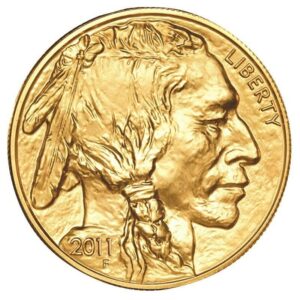
This is why so many families turn to tangible assets that stand the test of time.
Why Precious Metals Are Often Chosen for Legacy Planning
Physical gold and silver have been used across generations to preserve wealth. They offer:
- Tangibility
- Long-term durability
- Simplicity
- Familiarity
- A hedge against volatility and inflation
And unlike assets tied to one company, digital platform, or short-term market performance, precious metals offer a sense of permanence that resonates deeply with families.
You Don’t Need to Be an Expert—But You Don’t Have to Be Alone Either
This is an important distinction.
U.S. Money Reserve’s goal is not, and has never been, to replace financial advisors. Many of our clients benefit from the guidance of trusted professionals, and advisors often appreciate having tangible assets included in their clients’ broader diversification strategies.
What we do believe—and what I’ve seen play out again and again—is that you can make thoughtful legacy decisions with simple, clear information. You can help protect your wealth, even if markets feel confusing.
We are here to support, educate, and empower you.
Final Thoughts on Financial Legacy
A strong legacy doesn’t come from technical knowledge. It comes from intention, protection, and choosing tools that will stand strong for the next generation.
You already have what you need to build a legacy your family will feel—not just financially, but emotionally. And if part of that plan includes preserving long-term wealth with tangible assets, we are here to help guide you with clarity and care.
To explore wealth protection strategies and long-term legacy planning, request your free Gold Information Kit.
FAQs About Leaving a Financial Legacy
Do I have to be a financial expert to plan a legacy?
No. Your intentions and clarity will likely matter far more than financial expertise. Many people plan successfully with simple steps and trusted resources.
Should I work with a financial advisor for legacy planning?
Many retirees choose to. Advisors can be helpful partners, and U.S. Money Reserve complements this professional guidance with clear wealth-protection education and tangible asset solutions.
How can I leave a legacy for grandchildren?
Small, consistent, and long-lasting assets—such as physical gold or silver—can play a meaningful role in supporting future generations.
What helps protect a legacy over time?
Updated documents, diversified assets, and tangible stores of wealth that can endure economic shifts.