
Rising prices at home and shifting reserve strategies abroad are creating new challenges for the U.S. dollar.
Inflation is moving back into the center of the economic picture as consumer prices, measured by the Consumer Price Index, rose 4.2% in May from a year earlier while wholesale prices climbed 6.5%. This is the fastest annual pace of inflation since late 2022.
According to the data, much of the recent inflationary pressure came from the energy sector, with gasoline, diesel, jet fuel, and transportation costs all moving sharply higher. Rising fuel prices raise the cost of moving goods, running businesses, and keeping supply chains operating.
If rising energy costs continue to reduce the dollar’s purchasing power across the broader economy, Federal Reserve officials may have less room to cut interest rates and may even face pressure to consider hikes. Higher rates can slow borrowing, weigh down growth, and keep financial pressure on households already dealing with higher prices.
The dollar is also facing pressure abroad. Central banks have been reducing their reliance on U.S. government bonds and buying more gold. According to the European Central Bank, gold accounted for 27% of global central bank reserves at the end of 2025, topping U.S. Treasuries at 22%. The shift reflects growing concern over U.S. deficits, sanctions risk, geopolitical tension, and the long-term stability of dollar-based assets.
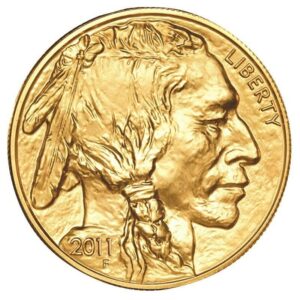
As inflation remains elevated and governments around the world confront growing economic and geopolitical challenges, demand for gold continues to rise among institutions charged with protecting national reserves. For individual Americans, the same forces raising concern among central banks—persistent inflation, rising debt, and pressure on the dollar—are prompting a closer look at physical gold as a safe haven.