

U.S. Treasury yields have surged to levels not seen in nearly two decades, raising concerns that stubborn inflation and higher interest rates could eventually put the economy in a difficult position known as stagflation.
Stagflation happens when prices rise and economic growth slows, leaving policymakers with multiple problems that are difficult to solve at the same time. Raising interest rates may help bring inflation down, but it may also slow economic growth. Lowering rates can support the economy and job growth, but it could also allow inflation to remain high.
That dilemma is becoming increasingly relevant as borrowing costs rise across the bond market. The 10-year Treasury yield has climbed above 5%, reaching its highest level since 2007, while the yield on the 30-year Treasury has risen above 5.4%, its highest level since 2004.
Rising Treasury yields can make mortgages, business loans, and other forms of borrowing more expensive, potentially slowing spending. This can ultimately lead to slow economic growth.
Meanwhile, oil prices above $100 per barrel can raise costs for households and businesses, keeping inflation elevated even as the economy faces pressure from high borrowing costs.
The bond market issue signals growing concern about inflation and interest rates. Markets are now expecting more rate increases than Federal Reserve officials had recently projected, raising the possibility that the Fed could face an increasingly difficult choice between bringing inflation down and preventing higher borrowing costs from sending the economy toward recession.
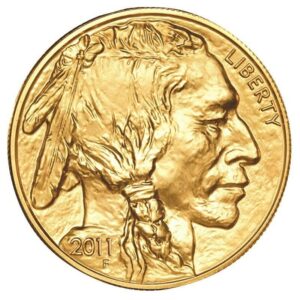
This combination of persistent inflation and economic uncertainty could also increase demand for physical gold. Gold has historically been used as a hedge during periods of inflation and market stress, which could make the precious metal more attractive to those looking to protect their purchasing power if stagflation concerns continue to grow.