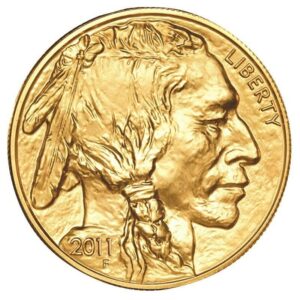


A mix of fiscal strain, shifting monetary policy, and geopolitical tension is reinforcing the case for higher gold prices over the long term. The U.S. budget deficit is projected to remain near historic highs, with the Congressional Budget Office forecasting it will exceed $3 trillion annually by 2036. Interest costs on federal debt are set to consume a record share of federal revenue, increasing the government’s sensitivity to higher bond yields.
Monetary policy adds another layer. Some experts, including Greenlight Capital’s David Einhorn, argue that the Federal Reserve may end up cutting interest rates more aggressively than markets currently expect, a move that has historically supported gold.
Global capital flows are also shifting. China’s central bank extended its gold-buying streak to 15 months in January, contributing to more than 860 metric tons of global central bank purchases last year, according to the World Gold Council. Meanwhile, Chinese regulators have reportedly urged banks to curb new purchases of U.S. Treasuries. Commentators such as Ray Dalio have warned of rising “capital war” risks, where sanctions, trade friction, and capital controls reshape reserve management decisions. In this environment, gold’s appeal as a politically neutral reserve asset may deepen.
As factors converge to support demand for physical gold, major banks continue to outline higher price targets. Bank of America, BNP Paribas, and Deutsche Bank are projecting $6,000/oz. by year’s end; UBS see prices reaching $6,200/oz.; and Wells Fargo and JPMorgan have year-end forecasts as high as $6,300/oz.
While the timing of gold’s price increases remains uncertain, the combination of persistent deficits, central bank demand, and geopolitical strain continues to drive expectations for further gains.