
America’s fiscal math is getting harder to ignore. Newly released data from the Congressional Budget Office (CBO) projects a $1.85 trillion deficit for the federal government this fiscal year. The CBO further projects annual shortfalls climbing above $3 trillion within a decade. Debt held by the public is set to move past 100% of gross domestic product this year and continue rising. Interest payments alone are expected to absorb more than a quarter of federal revenue by 2036, a level not seen in modern history outside major crises.
The mounting debt load complicates the Federal Reserve’s path. Inflation has cooled from its peak, but recent research suggests underlying price pressures may be firmer than headline data like the Consumer Price Index indicates. At the same time, major market participants like Greenlight Capital’s David Einhorn are wagering that the Fed will cut interest rates more than currently expected, especially if economic growth softens. Lower borrowing costs would reduce some strain on the federal budget, yet easier policy would also likely raise concerns that inflation could reaccelerate—especially if deficits remain large.
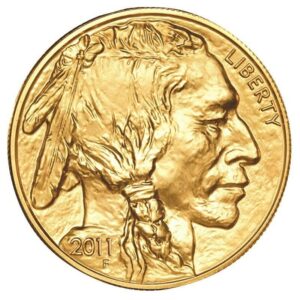
This tension between heavy borrowing and looser monetary policy has renewed focus on the dollar’s long-term strength. While the dollar still dominates global reserves, central banks have increased their allocations to gold in recent years amid trade disputes, geopolitical friction, and questions about fiscal discipline. But gold is free from risks generated by government-issued fiat currency.
Prices for the precious metal have surged over the past two years, reflecting central banks’ unease. Analysts point to persistent deficits, the prospect of rate cuts, and global geopolitical flashpoints as factors reinforcing demand. Whether inflation proves stubborn or growth slows sharply, the interplay between Washington’s borrowing and the Fed’s response is likely to continue fueling gold’s rise.