
The federal budget deficit is projected to grow substantially if the current budget bill, officially called the “One Big Beautiful Bill Act of 2025” becomes law. A new report from the Congressional Budget Office estimates that the Senate’s version of the legislation would add $3.3 trillion to the deficit over the next decade, $1 trillion more than the House’s version of the bill. Most of this increase comes from sweeping tax cuts that would shrink government revenue.
The potential for a sharp increase in federal debt is raising alarms among economists and experts. Ray Dalio, founder of Bridgewater Associates, warns that rising interest payments could squeeze out funding for other key government programs and lead to what he calls a “debt-induced economic heart attack.”
Ken Rogoff, a Harvard professor and former IMF chief economist, says the United States is likely headed for a debt crisis within the next four to five years, especially as long-term interest rates continue to rise. He warns that such a crisis could trigger a painful economic shock or force the government to keep rates artificially low—hurting savers and slowing growth.
Historian Niall Ferguson warns that the United States has crossed a critical threshold: In fiscal year 2024, it spent $1.1 trillion on interest payments—more than the $883.7 billion budgeted for defense. This violates what Ferguson calls “Ferguson’s Law,” which states that a nation spending more money on servicing debt than protecting itself is at risk of losing its global standing.
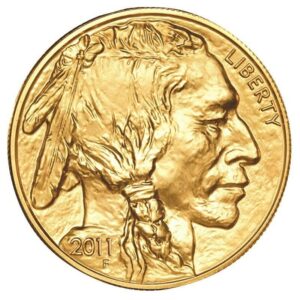
Meanwhile, gold prices are expected to climb. Bank of America (BofA) analysts predict gold prices could climb to $4,000/oz. within the next year because of deepening worries over the U.S. budget. As deficits swell and doubts grow over the government’s ability to manage its debt, consumers and central banks are pulling back from U.S. Treasuries and shifting toward gold. BofA warns that unless Washington reins in its fiscal shortfalls, this trend could accelerate—fueling more market volatility and further weakening confidence in the dollar.