
The U.S. economy shrank by 0.3% in the first quarter of 2025, marking its first contraction since early 2022 and ending 9 consecutive quarters of growth, according to the Bureau of Economic Analysis. This downturn was primarily driven by a surge in imports as businesses rushed to stockpile goods ahead of impending tariffs. Even though Americans kept spending at a steady pace and businesses boosted their allocations in equipment and supplies, a drop in government spending and the spike in imports pulled overall economic growth into negative territory.
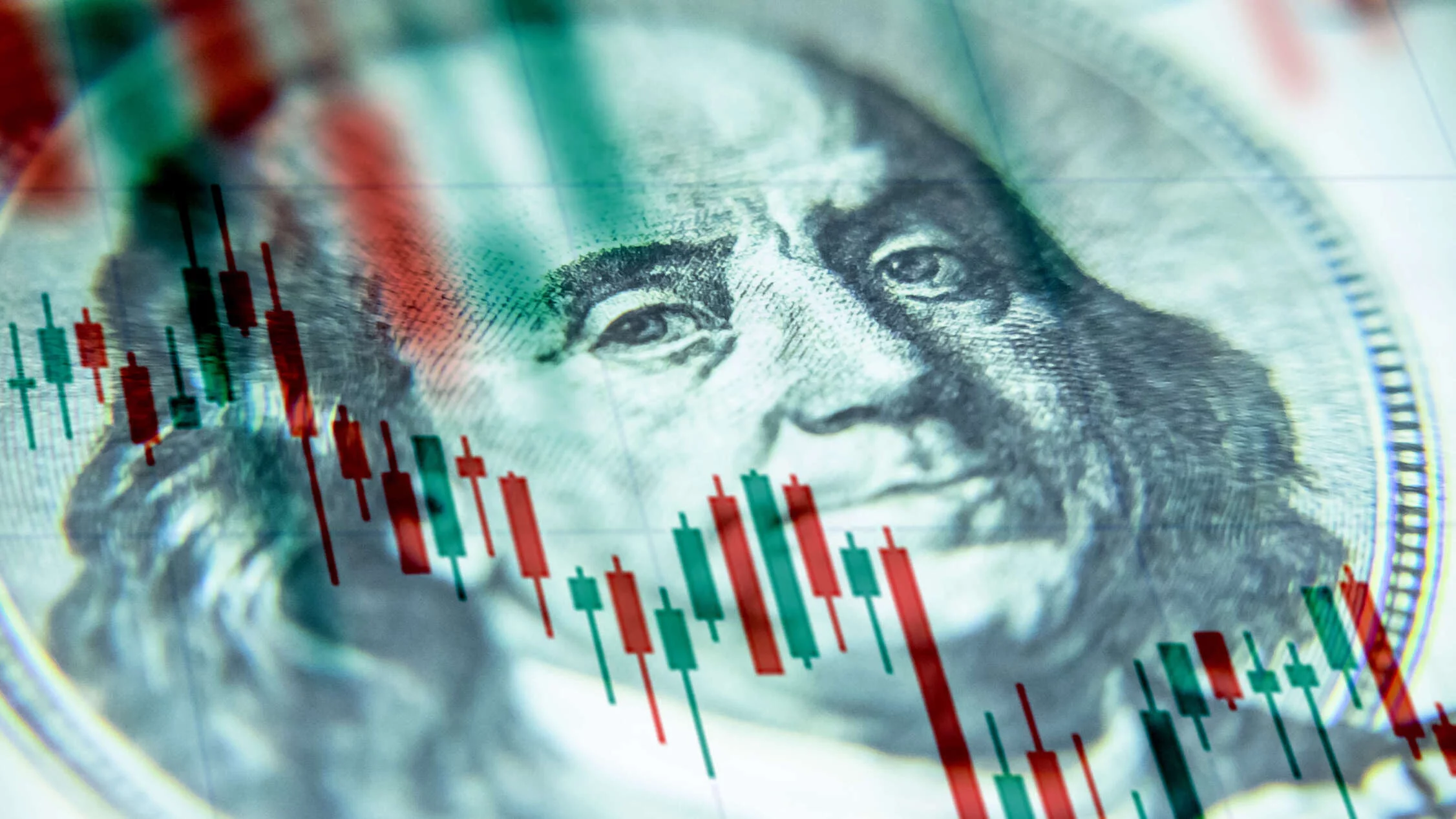
The contraction has heightened concerns about the U.S. economy’s trajectory. Economists warn that the front-loading of imports may lead to a demand cliff in the second quarter, potentially exacerbating the slowdown. Additionally, the Federal Reserve faces a policy dilemma: balancing the need to curb potential inflation from tariffs against the risk of stifling growth. Financial markets have reacted negatively to the economic uncertainty, with major indexes experiencing their worst quarters since 2022, reflecting market anxiety over the government’s unpredictable trade policies and their long-term implications.
With the economy under pressure and markets shaken by policy uncertainty, consumers are increasingly turning to gold. Goldman Sachs recently raised its year-end forecast for gold prices to $3,700/oz., citing growing demand from central banks and others seeking a safe haven. In a more extreme scenario—marked by deeper recession fears and continued global instability—the bank says gold could climb as high as $4,500/oz. by the end of the year.