

Fresh government data is reshaping the economic picture in early 2026, revealing a slower and more fragile backdrop than previously understood. Revised figures show that U.S. growth expanded at just a 0.7% annual rate in the final quarter of 2025, sharply lower than earlier estimates and a steep drop from prior momentum. At the same time, core inflation has remained elevated, running above 3% on an annual basis, underscoring that price pressures were already persistent before recent geopolitical tensions intensified.
That combination—softening growth alongside stubborn inflation—has raised concerns about a more vulnerable economic foundation. Consumer spending has cooled noticeably from mid-2025 levels, job creation has weakened in recent months, and broader measures of demand have slowed. While the economy has absorbed multiple shocks over the past year, economists increasingly point to a narrowing buffer against further disruptions.
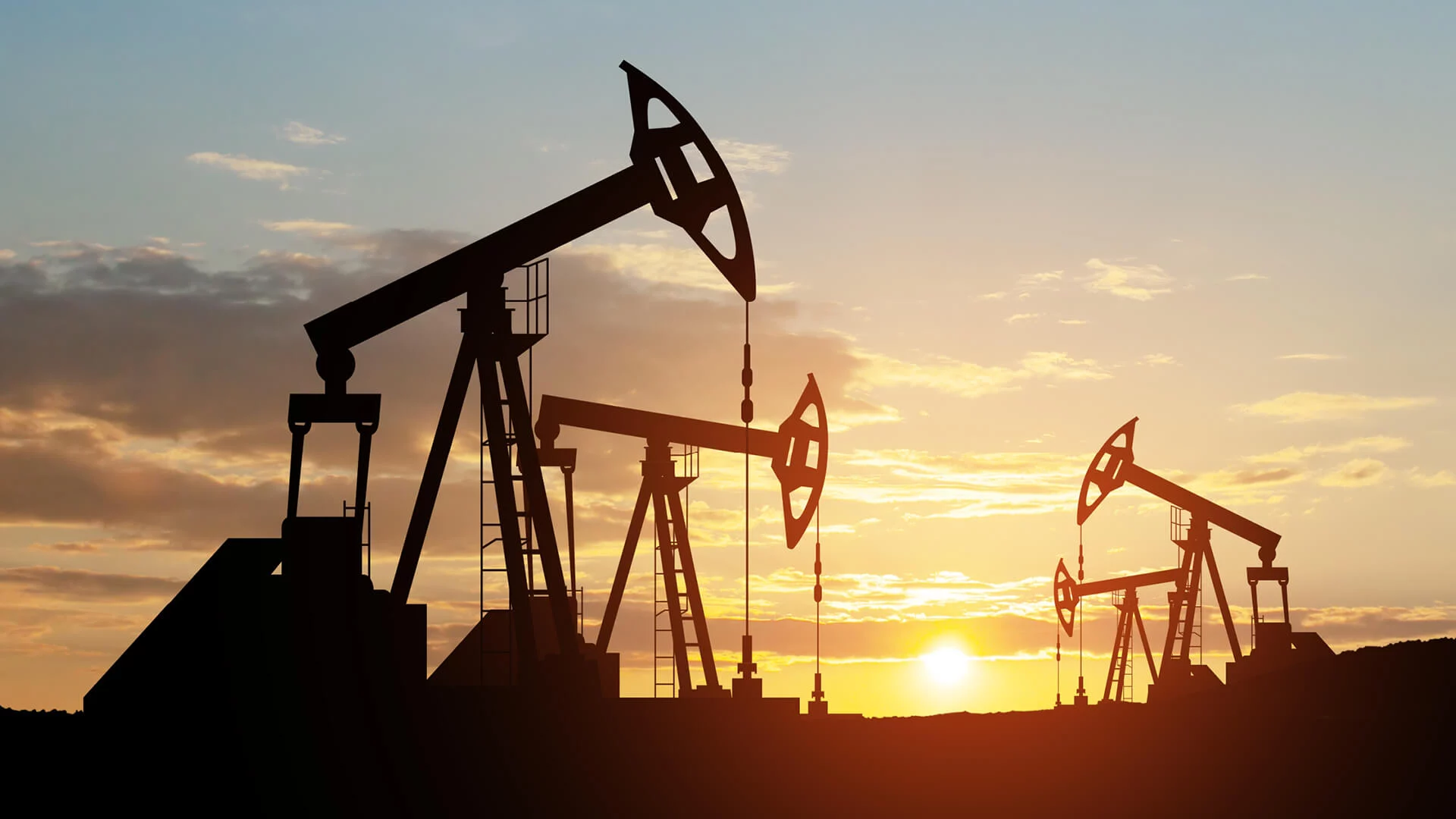
New risks are now compounding these underlying weaknesses. A surge in oil prices tied to escalating conflict in the Middle East is pushing up costs across the economy, from gasoline to shipping and air travel. Historically, sharp energy spikes have often preceded downturns, and several forecasts, such as a recent one from credit rating and financial services firm Moody’s, now place recession odds as high as 49% over the next year if disruptions persist. At the same time, financial system stress is building in areas such as private credit, while heavy concentration in a handful of major technology firms leaves markets more exposed to sudden shifts.
In periods when growth slows, inflation lingers, and financial risks begin to overlap, demand has often shifted toward physical gold and other assets viewed as being insulated from market volatility. Rising geopolitical tension, tighter financial conditions, and uncertainty around monetary policy have historically supported gold demand, particularly when paper-based assets face pressure from both inflation and economic slowdown.