

The U.S. national debt has now topped $37 trillion — the highest level in history — and it’s expanding fast. Even though tariffs have brought in a record amount of money this year, government spending is still outpacing income. The budget deficit, which is the gap between what the government spends and what it collects, is up 20%, or $47 billion more, for July 2025 compared to July 2024. Rising interest payments on the debt, bigger Social Security checks, and other costs are adding pressure to the country’s finances.
At the same time, inflation is picking up again. In July, the cost of goods and services at the wholesale level jumped the most in three years, driven by higher prices for food, metals, and services. This could lead to higher prices for consumers in the months ahead. In addition, job growth is slowing sharply — over half of U.S. industries are now cutting jobs, and hiring gains have fallen to their weakest level in years. Economists, such as Moody’s Analytics chief economist Mark Zandi, warn that the economy could already be close to a recession.
For everyday Americans, this mix of rising prices, slower hiring, and higher interest rates on mortgages, car loans, and credit cards means their money won’t stretch as far. Businesses may cut back on hiring, and paychecks could struggle to keep up with the cost of living. It’s a situation that leaves the economy more vulnerable to shocks, whether from changes in trade policy, global events, or financial market swings.
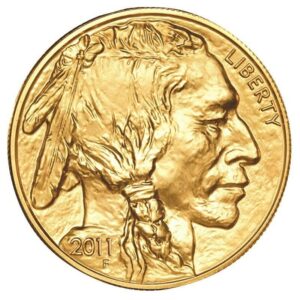
In times like these, many people turn to gold as a safe haven for their money. Gold has recently been confirmed to be exempt from new U.S. tariffs, and gold prices are already near record highs and could climb further if uncertainty grows. For centuries, gold has been seen as a way to protect wealth when debt, inflation, and economic risks are on the rise — and today’s environment is giving people plenty of reasons to look gold’s way.