
The U.S. government’s growing debt burden is in the spotlight after Moody’s Ratings downgraded the country’s credit score from AAA to Aa1 on May 16, 2025. The move reflects mounting concern that rising deficits and interest costs are undermining America’s long-term fiscal stability. With the national debt now over $36 trillion, analysts warn that the U.S. may be losing its edge as the world’s most reliable borrower.
JPMorgan Chase CEO Jamie Dimon echoes those concerns, calling the actions of markets and the Federal Reserve “complacent” and warning that the risks of inflation and even stagflation are being underestimated. He predicts that corporate earnings could fall sharply amid uncertainty tied to trade policies and a major tax-and-spending bill currently going through congress—a bill critics say could add trillions more to the national debt.
The market response to Moody’s downgrade was immediate. Treasury yields rose, and stocks and the dollar index dipped as market participants reassessed the government’s ability to manage its obligations. While officials have downplayed the long-term impact of the downgrade, some experts suggest this could be another step toward a more serious debt reckoning.
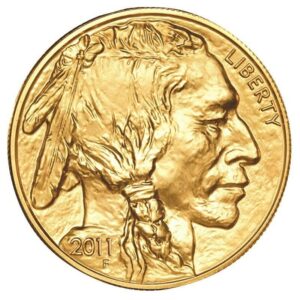
One clear beneficiary of the turmoil: physical gold. As the dollar weakened, gold prices jumped, continuing a broader rally that’s seen the precious metal gain more than 20% this year. Analysts say the combination of geopolitical uncertainty, high deficits, and fading confidence in the U.S. dollar is fueling demand for gold—and could keep prices climbing.