
Global markets have been unsettled by escalating trade tensions and cautious signals from the Federal Reserve.
This past week, the U.S. escalated its trade war with China, as both countries traded blows over tariffs. On April 15, President Donald Trump ordered a national security investigation into America’s reliance on imported critical minerals, aiming to reduce foreign dependence.
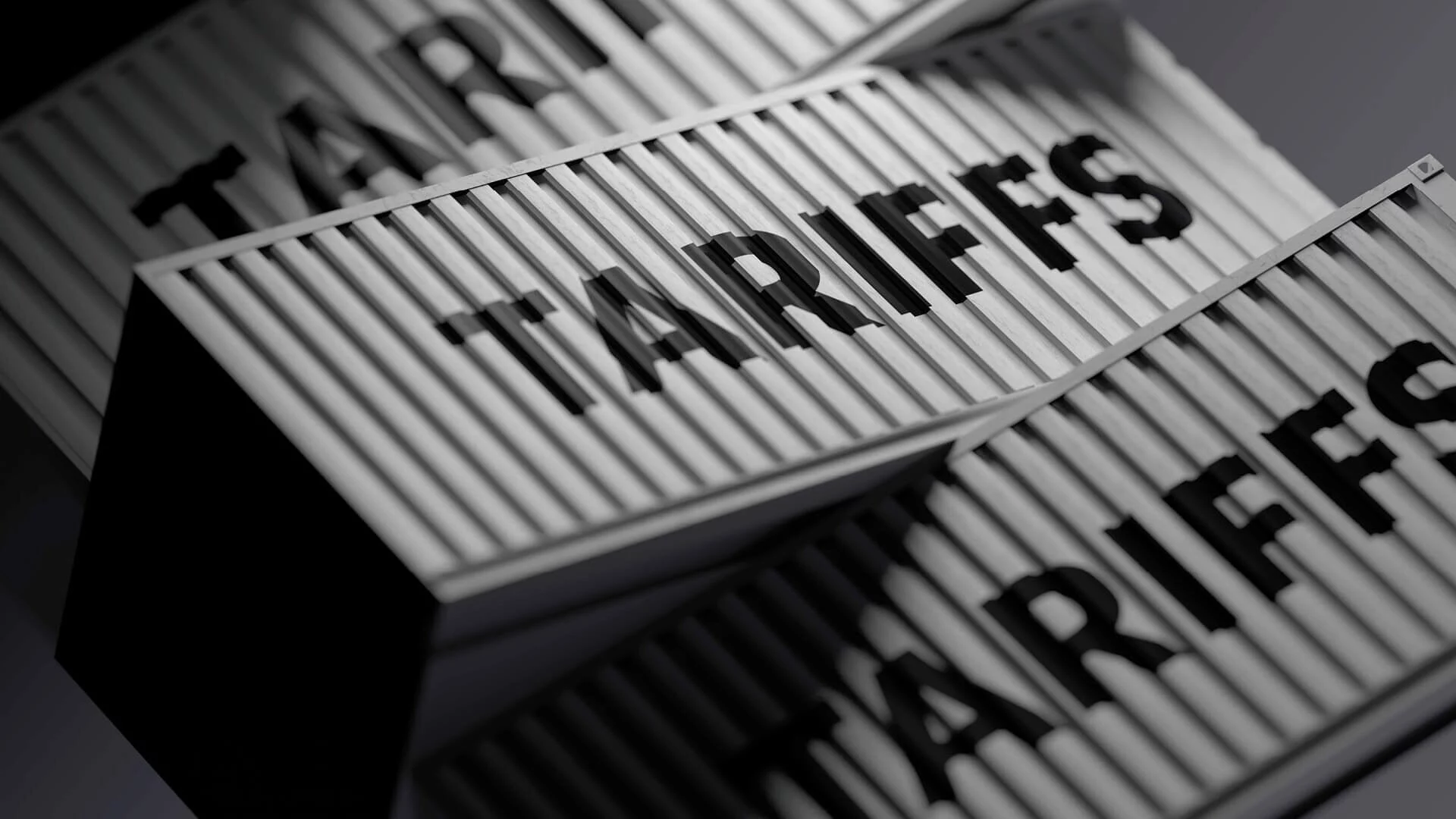
The administration also moved to close the “de minimis” tariff loophole—previously allowing low-cost Chinese goods under $800 to enter duty-free—and raised tariffs on Chinese imports to 145%. In response, China retaliated by hiking tariffs on U.S. goods to 125%, up from 84%.
The heated standoff triggered sharp swings in equities, with investors pulling back from risk assets amid renewed fears of supply chain disruptions and broader economic fallout.
Amid this turmoil, Federal Reserve Chairman Jerome Powell addressed the Economic Club of Chicago, expressing concern over the economic impact of the new tariffs. He warned that the tariffs could lead to higher inflation and job losses, complicating the Fed’s dual mandate of price stability and maximum employment.
Powell also emphasized the Fed’s cautious stance, indicating that it would not rush to adjust interest rates despite market volatility. His remarks offered little reassurance to investors, contributing to further declines in major stock indices.
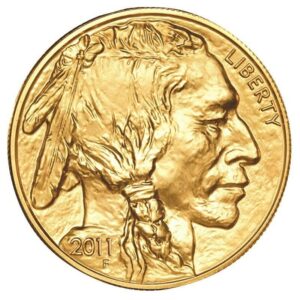
At the same time, China’s central bank continued to add to its gold reserves, extending a record buying streak as the country hedges against dollar exposure and mounting economic and geopolitical risk. This surge in official sector demand—combined with investor flight to safety—helped push gold prices above $3,400/oz. for the first time.
With no clear end to the trade dispute in sight and monetary policy on pause, gold’s appeal as a safe haven has only intensified.