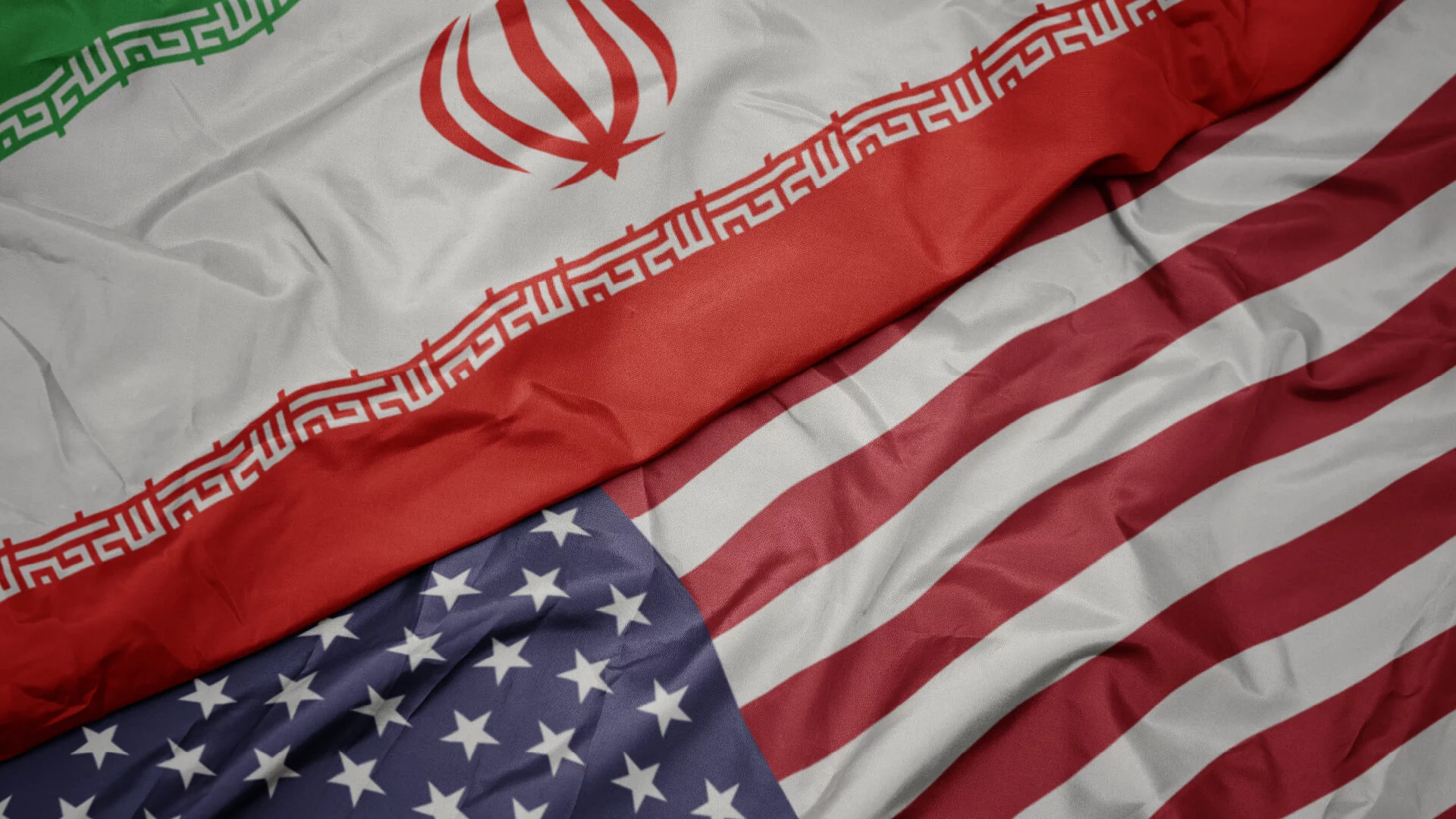

Conflict around the Strait of Hormuz has disrupted one of the most important energy routes in the world, a waterway responsible for roughly one-fifth of global oil flows. Analysts warn that as much as 20 million barrels of daily supply have already been affected, pushing oil prices sharply higher and raising the possibility that crude could approach $150 per barrel if the disruption lasts for weeks. Sustained increases in energy prices can ripple quickly through the economy, raising costs for transportation, utilities, and food.
This shock arrives at a time when the U.S. economy is already facing several pressures. Inflation, as measured by the consumer price index, had recently slowed to about 2.4% annually, but economists say rising oil prices could soon push it higher in the months ahead. Each $10 per barrel increase in crude has historically added about 0.2 percentage points to inflation. Meanwhile, recent labor data showed payrolls declining by 92,000 in February and unemployment edging up to 4.4%, suggesting the labor market may be softening even as price pressures remain. That combination has revived concerns about stagflation, the difficult environment in which economic growth slows while inflation and unemployment climb.
The broader financial landscape adds another layer of uncertainty. Federal debt is nearing $39 trillion, and the government has already spent more than $430 billion on interest payments in the first five months of the fiscal year. At the same time, market participants have begun questioning the traditional role of government bonds as a safe haven during crises. Instead of moving heavily into Treasuries, large asset managers have been shifting toward cash, the U.S. dollar, and commodities as protection against inflation and geopolitical shocks.
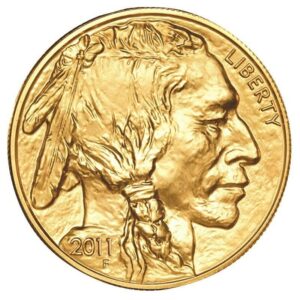
That shift has helped push demand for physical gold higher. Historically, periods of geopolitical conflict, supply shocks, and inflation uncertainty have increased demand for gold as a tangible store of wealth. If disruptions in energy markets persist and inflationary pressures build, analysts say demand for physical gold could continue to strengthen as households and institutions seek stability.