
The U.S. economy is in a fragile state as rising geopolitical tensions and higher energy costs begin to ripple through everyday life. Major financial institutions are steadily raising their expectations for a major downturn. Moody’s Analytics places the probability of a recession near 50% within the next year, while Goldman Sachs has lifted its estimate to around 30%, and firms like EY-Parthenon and Wilmington Trust are clustering closer to the mid-40% range.
These revisions reflect a combination of factors: a sharp rise in oil prices tied to the Iran conflict, growing pressure on consumers already stretched by higher living costs, and a weakening job market.
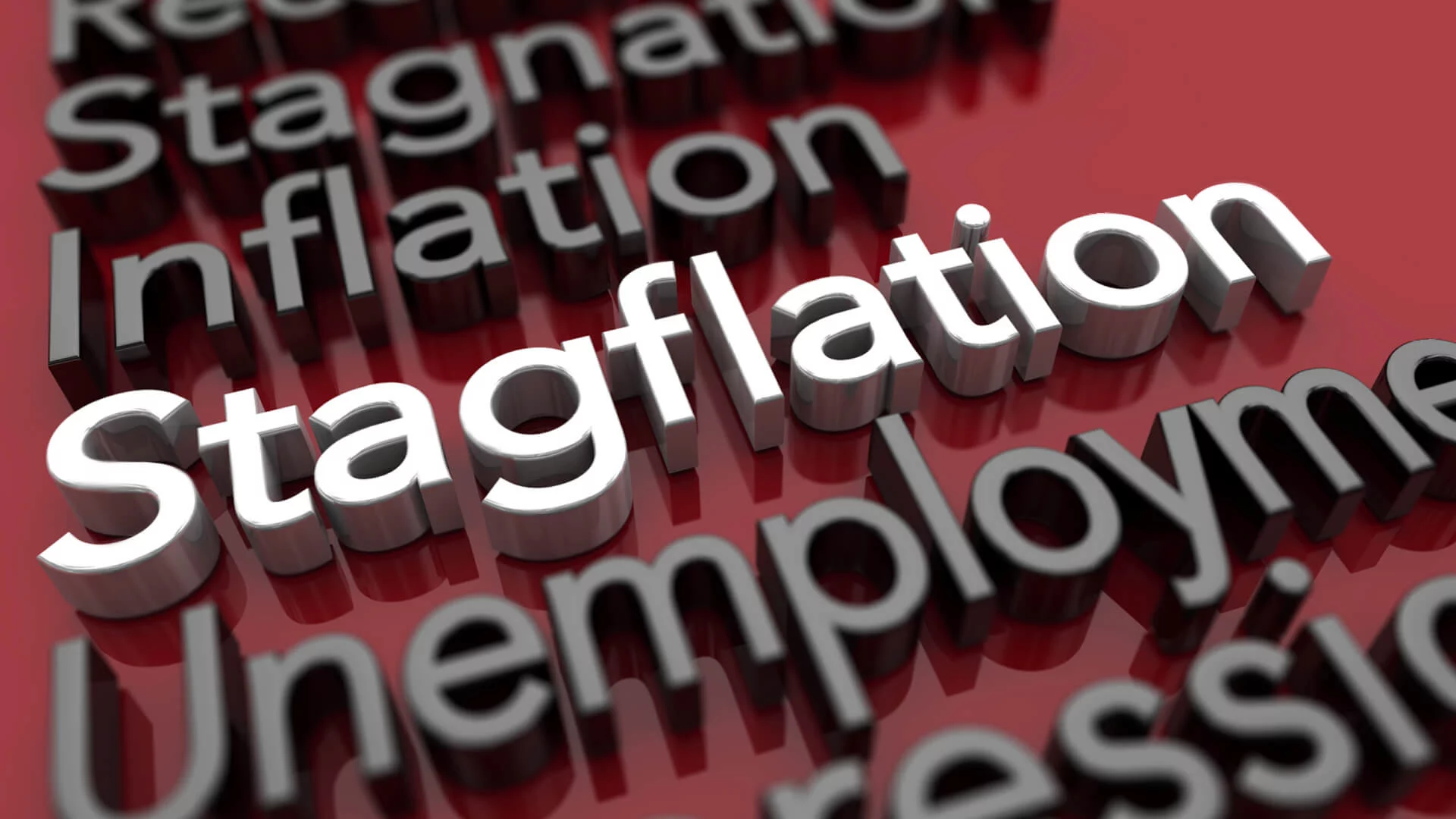
Some economists describe the current environment as a milder version of stagflation, an economic condition where growth and the labor market both slow down, but prices remain high. Forecasts now point to below-trend expansion in the second half of the year, while inflation remains stubbornly elevated to nearly 3% as measured by the Consumer Price Index, limiting relief for households. Even if geopolitical tensions ease, the aftereffects of disrupted energy flows, rising transportation costs, and supply chain strain could linger, keeping the economy on unstable footing.
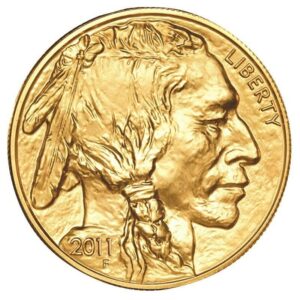
Amid this uncertainty, attention is shifting toward assets historically associated with periods of instability. Despite a recent pullback, long-term expectations for gold remain firmly intact. Strong central bank demand, ongoing geopolitical risk, and currency pressures continue to support the outlook. As these forces reshape the markets, strategists are maintaining their bold projections, including Ed Yardeni who recently reiterated his prediction that gold could reach $10,000/oz. by the end of 2028.