

The global economy is entering the second half of 2025 under mounting pressure as inflation accelerates, geopolitical tensions intensify, and confidence in the Federal Reserve shows signs of strain. In the United States, consumer prices rose more than expected in June, climbing 2.7% versus a year earlier. Meanwhile, President Trump has escalated his criticism of Federal Reserve Chair Jerome Powell, even hinting at replacing him—a move that Deutsche Bank warns could trigger sharp reactions in currency and bond markets by undermining the perceived independence of the Fed.
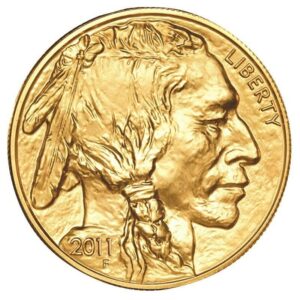
Adding to economic unease, Trump announced sweeping 30% tariffs on imports from Mexico and the European Union, citing trade imbalances and security concerns. These measures, which are set to take effect August 1, 2025, have drawn harsh criticism from global leaders and raised the risk of retaliatory actions. In response to these developments, demand for safe-haven assets has surged. Gold prices, for example, spiked following reports that Powell might be removed, underscoring the metal’s historic role as a shield against instability.
The World Gold Council’s Mid-Year Outlook, released July 15, highlights how current economic conditions may boost gold’s performance in the coming months. Gold has already gained 26% in 2025, driven by a weaker dollar, stagnant bond yields, and elevated global uncertainty. Central banks, notably China’s, have stepped up their gold purchases, seeking to reduce reliance on the dollar amid sanction risk and shifting trade alignments. And if conditions worsen—for example, if economies experience stagflation, heightened recession fears, or prolonged political turbulence—the report states that gold may climb an additional 10–15% before year-end.