

On April 2, 2025, President Trump announced sweeping tariffs on nearly all U.S. imports, including a 10% blanket tariff effective April 5. Targeting America’s major trade partners, he also introduced “reciprocal” tariffs: raising total tariffs on Chinese goods to over 60%, imposing 20% on the EU, 24% on Japan, and 10% on the U.K. These measures, he stated, are being taken to protect the U.S. economy, generate revenue for tax cuts, and boost domestic manufacturing.
The announcement has continued to send shockwaves through global financial markets, with stocks experiencing heightened volatility in the days following the tariff rollout. Investors remain on edge as analysts warn of potential long-term consequences for corporate earnings, supply chains, and overall economic growth. Sectors with heavy international exposure, particularly technology and manufacturing, have seen significant pressure, while global markets have struggled to find direction amid uncertainty. The tariffs have also fueled concerns about inflationary pressures, with some companies signaling potential price hikes in response to increased costs.
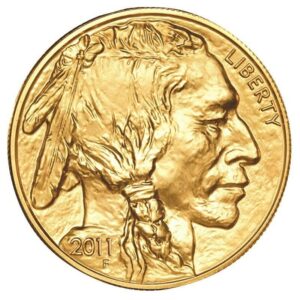
Amid the market turmoil, consumers sought refuge in safe-haven assets, driving gold prices to all-time highs. On April 3, 2025, gold hit an intraday trading spot price of $3,169.60/oz., according to Kitco, as demand surged in response to escalating trade tensions and economic uncertainty. Analysts attribute the rally to mounting trade tensions, inflation concerns, and fears of slowing global growth, all of which have reinforced gold’s role as a hedge against financial instability. With volatility persisting across equities and currency markets, many consumers continue to view gold as a critical store of value in uncertain times.