
Global markets flashed a warning signal last week as a “sell America” wave hit U.S. stocks, Treasuries, and the dollar at the same time. The flare-up followed renewed tariff threats tied to the White House’s push to acquire Greenland, sparking a broad risk-off move across global trading desks. The U.S. Dollar Index dropped while Treasuries sold off, and major U.S. indexes slid as overseas capital looked for safer ground.
That shift may have serious repercussions in international markets. Foreign exposure to U.S. markets is significant, and the relationship is no longer being treated as functional. Deutsche Bank research shows that European countries hold roughly $8 trillion in U.S. bonds and equities, underscoring how quickly capital flows can become a pressure point when geopolitical tensions rise. Analysts have also warned that the bigger danger may not be trade retaliation, but “weaponized” capital, where reduced demand for U.S. assets forces higher risk premiums and amplifies stress across stock and bond markets.
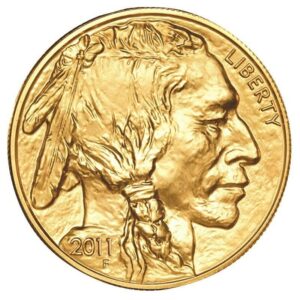
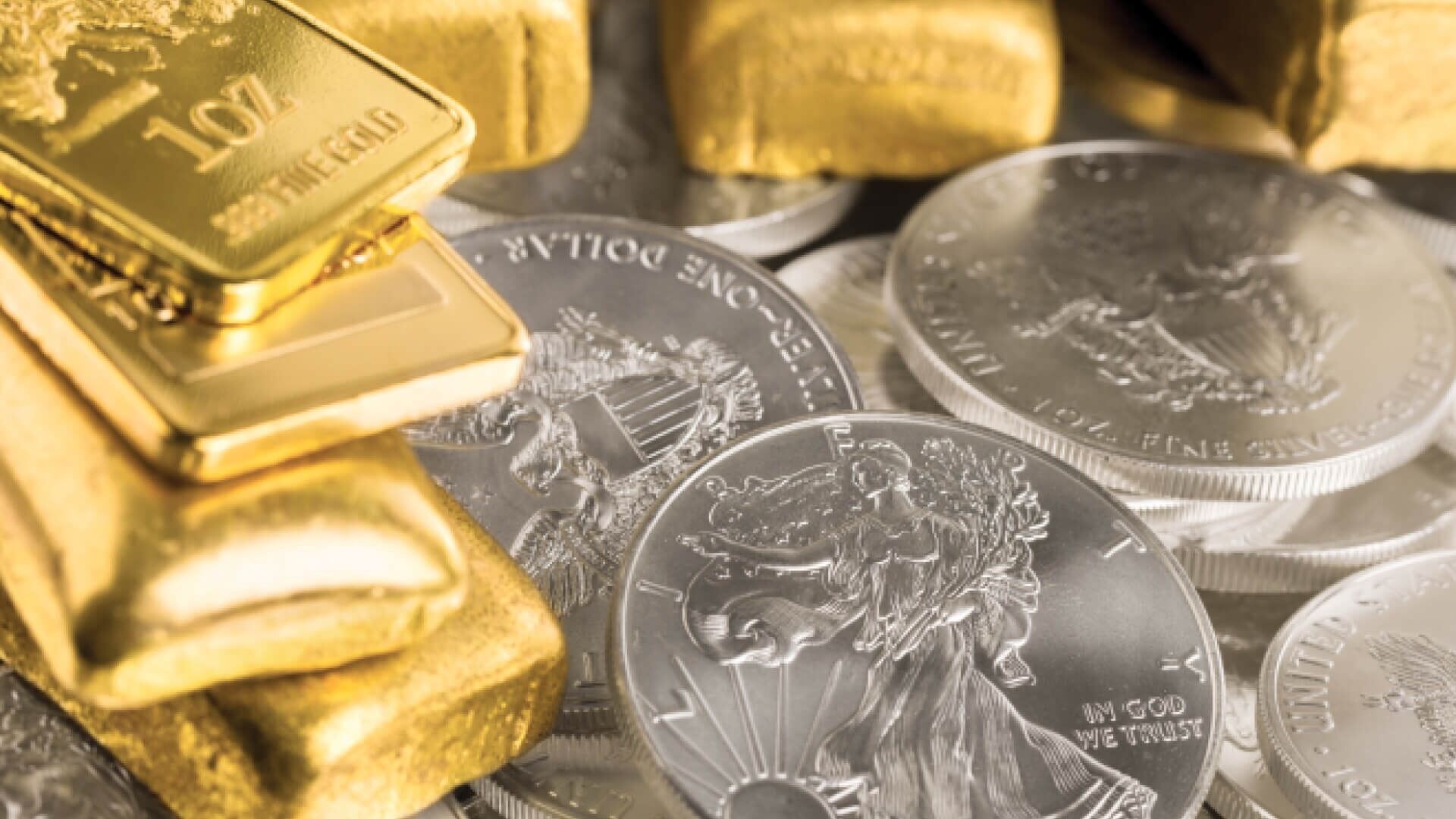
As confidence in U.S. stability is tested, precious metals are taking center stage. Gold prices jumped above $5,000/oz., with silver prices also hitting new peaks as they surpassed $100/oz. Analysts tied the moves to tariff uncertainty, a weaker dollar, and a growing push by central banks and private pools of capital to diversify away from dollar-heavy exposure.
Central banks are reinforcing that momentum, accelerating purchases of gold as fiscal uncertainty and policy volatility reshape reserve strategy. Barron’s reports that gold is overtaking U.S. Treasuries as the largest reserve asset for foreign governments, while Fortune cites Goldman Sachs estimates that show central banks buying an average of 60 metric tons of gold per month over the past year, far above previous norms.
As these forces persist, a continued drift away from U.S. assets, combined with structural demand for reliable stores of wealth, could set the stage for gold to keep pushing higher. Forecasts are climbing: MKS PAMP’s Nicky Shiels projected prices to go above $5,400/oz. this year, and ICBC Standard Bank’s Julia Du outlined an even more aggressive upside case, calling for gold to reach $7,150/oz. by year’s end.