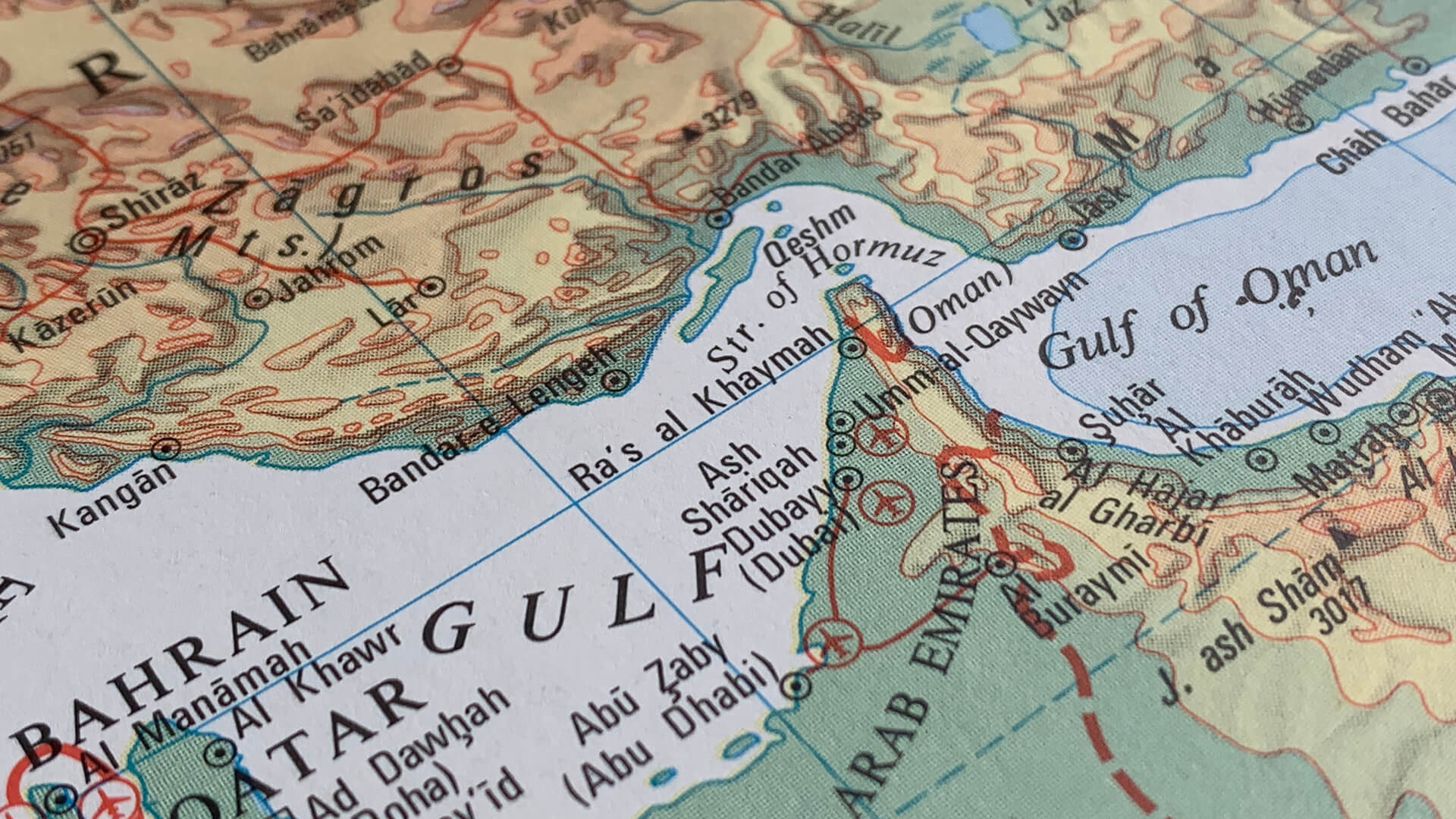

Tensions around the Strait of Hormuz, one of the world’s most critical oil shipping routes, are already being felt throughout the global economy—and the effects are beginning to reach the United States. Roughly 12% of global oil supply has already been disrupted, with additional flows at risk if enforcement tightens.
The U.S. military’s move to blockade the Strait follows a breakdown in negotiations with Iran and marks a shift toward a more prolonged and uncertain phase of the ongoing conflict. Oil prices, which hovered below $70 per barrel before the conflict, are now near $100 per barrel, raising costs across transportation, manufacturing, and energy-dependent industries.
Economists surveyed by The Wall Street Journal say that if oil prices rise and stay above $100 per barrel, the odds of a recession happening in the next year would be above 50%. Higher energy costs are feeding into expectations of both stronger inflation and weaker growth.
Business leaders and global institutions warn that the situation could escalate quickly if the disruption continues. Kenneth Griffin, CEO of the international hedge fund Citadel, says a closure lasting six or more months would likely tip the global economy into recession. International Monetary Fund Chief Economist Pierre-Olivier Gourinchas warns that persistent disruptions in the oil trade could lead to a “severe” downturn in the global economy.
For U.S. households, the effects are likely to show up in both daily expenses and long-term financial positioning. Higher fuel and energy costs can reduce disposable income, while persistent inflation and slower growth tend to weigh on equity markets and retirement accounts.
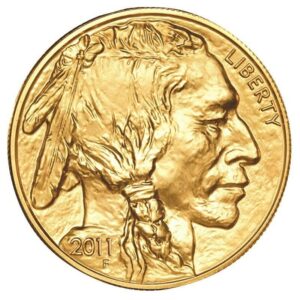
Periods of geopolitical stress and currency pressure have historically driven increased interest in physical gold as a safe haven. If the conflict drags on, the combined impact of inflation, energy costs, and market volatility could push more buyers to consider rebalancing their portfolios with physical gold.