
Soaring U.S. debt and weakening demand for Treasuries are raising borrowing costs across the economy, thus setting the stage for a potential surge in gold demand.
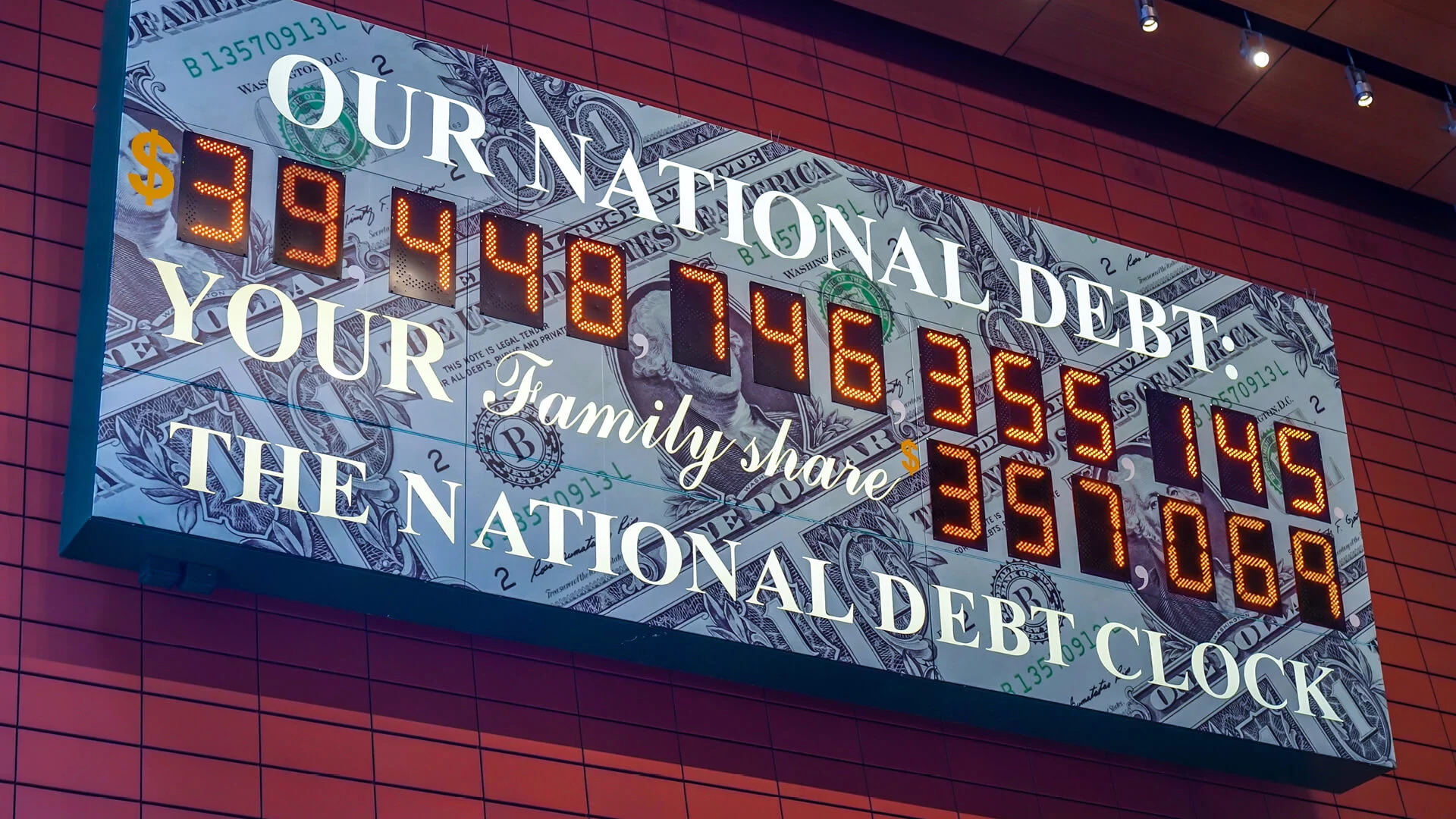
The United States national debt now exceeds $39 trillion. The annual budget deficit is roughly $2 trillion, and interest costs paid by the government are nearly $1 trillion per year.
This surge in government debt is placing mounting pressure on the U.S. Treasury market, long viewed as the backbone of global finance—and that pressure has analysts forecasting big gains for gold by year’s end.
The government’s growing reliance on short-term debt leaves it more exposed to rapid changes in interest rates. Former Treasury Secretary Henry Paulson has warned that weakening demand for government debt could trigger a self-reinforcing cycle of higher rates and rising deficits, forcing policymakers into difficult fiscal decisions. In a severe scenario, the Federal Reserve could be pushed to step in as a buyer of last resort, a move that could further undermine market confidence.
Yields on Treasuries have risen as buyers demand greater compensation to make up for lost confidence, narrowing the gap between government debt and high-quality corporate bonds. Meanwhile, hedge funds now hold a record share of Treasuries, often using borrowed money to amplify positions, increasing the risk of sudden sell-offs if conditions shift.
The consequences extend well beyond the bond market. Treasury yields serve as a benchmark for borrowing costs across the economy, influencing mortgage rates, business loans, and consumer credit. As yields climb, financing becomes more expensive, tightening financial conditions for households and companies alike.
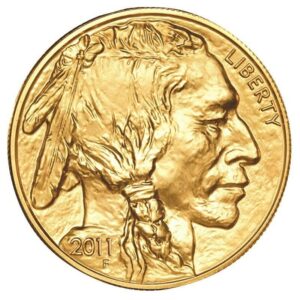
Against this backdrop, attention is turning toward safe-haven assets like physical gold. Historical patterns show similar periods of rising debt and monetary expansion have supported strong moves in gold prices.
Analysts at Wells Fargo point to what they describe as a continuing “debasement cycle,” where central banks diversify away from dollars and dollar-based assets like Treasuries and increase gold holdings. The bank’s outlook suggests gold could climb as high as $8,000/oz. by 2027 under this trend, reflecting sustained demand as confidence in traditional financial anchors comes under pressure.