
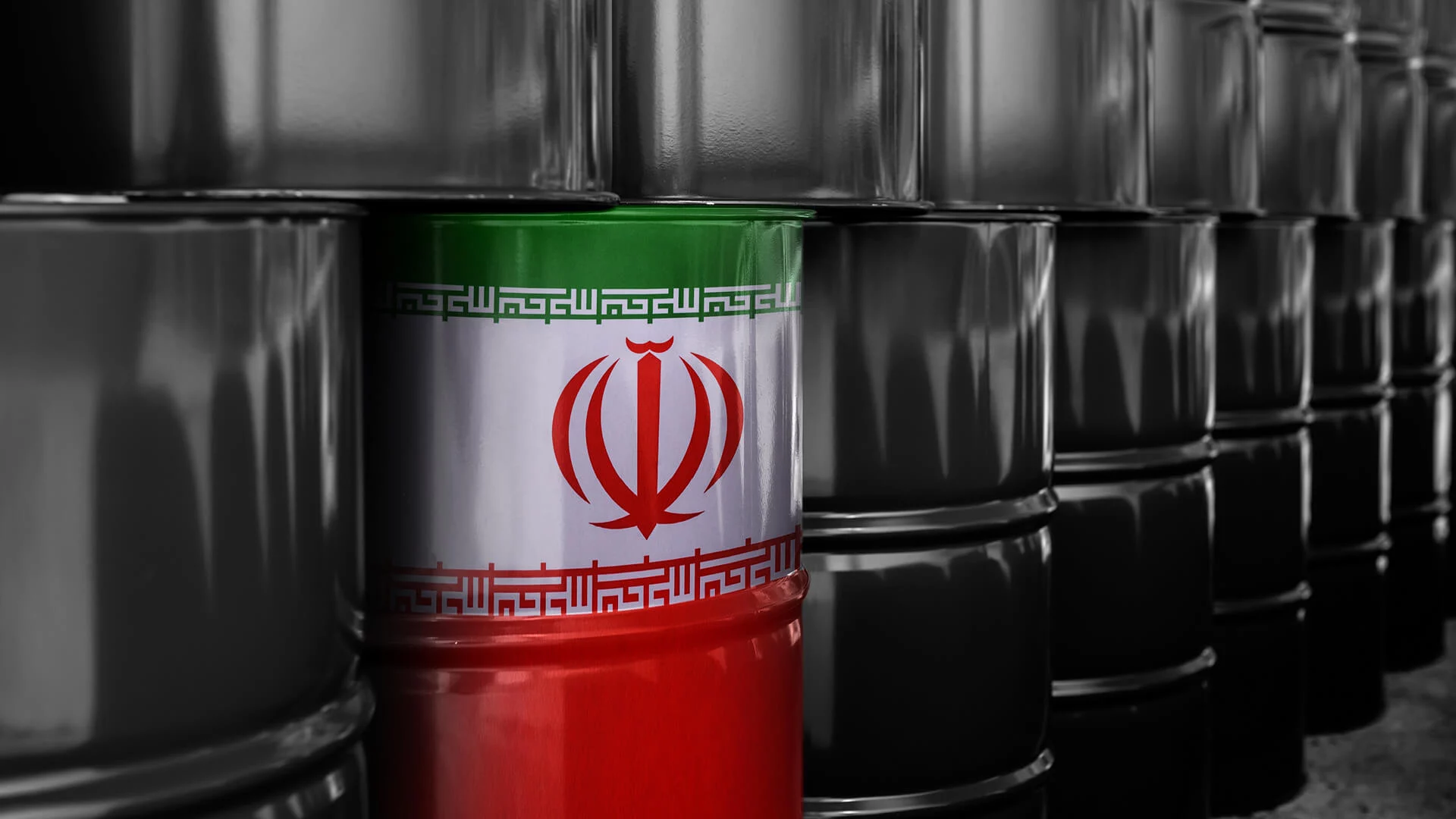

The global economy is under mounting pressure as oil prices surge in in the wake of the escalating Iranian conflict. Analysts warn that as the conflict drags on, deepening oil shortages could drive prices significantly higher, with some scenarios pointing toward prices as high as $200 per barrel. The impact of the surge is already being felt at the pump, where higher gasoline prices are cutting into monthly budgets and reducing consumer spending.
These effects are beginning to spread beyond energy. Higher fuel costs lead to more expensive transportation and manufacturing costs, contributing to broader inflation concerns. At the same time, financial markets have turned more volatile, and a growing number of economists are now raising their recession odds. Areas that helped support the economy in recent years, including strong consumer spending and heavy funding for artificial intelligence, are now seen as potential weak points if conditions worsen.
For households, the risks are becoming harder to ignore. Rising costs for essentials like fuel and goods can erode purchasing power, while market swings can affect retirement accounts and savings tied to equities. Higher-income households have so far helped sustain spending, but that support could fade if stock market losses deepen. Meanwhile, stress in credit markets raises the possibility of broader financial strain, which could further pressure jobs, business activity, and household balance sheets.
In periods like this, attention often shifts toward assets that have historically provided stability, like gold. Supported by continued central bank buying and ongoing geopolitical tensions, gold price projections continue to skew higher, with major banks citing gold’s role as a hedge when inflation rises and financial markets become unsettled.