
The latest signals from the U.S. job market may point to the economy losing steam. While official reports have been delayed—or potentially canceled—because of the recent government shutdown, what data is available presents a mixed picture. Private employers have been trimming roughly 13,000 jobs per week, a sharp escalation from earlier in the fall. September payroll numbers came in stronger than expected, but unemployment ticked up to its highest level in three years.
Look closer, and the strain is most visible in key industries. Home construction is slowing as builders sit on unsold properties and delay new projects. Commercial real estate faces a similar drag, with architectural planning—a leading indicator—slipping. Restaurants report weaker sales and shrinking margins, hinting that payroll cuts may follow. Freight companies are moving fewer goods across the country, while mining and higher education are scaling back as demand and budgets are tightening. Taken together, these pockets of weakness raise the risk that layoffs could accelerate just as hiring cools.
As the cracks in America’s job market widen, Federal Reserve officials warn that a resulting spike in in job losses could arrive suddenly, spread quickly, and become difficult to contain.
Such a broad downturn would have ripple effects across the economy. When people lose jobs, they pull back on spending. Businesses then face slower revenue and may cut their own workforce in response. Economists describe this as a feedback loop—one that, once begun, is difficult for policymakers to slow. This is reportedly why several Fed officials have begun signaling support for interest rate cuts in December. Their concern is straightforward: While inflation pressures are easing, the labor market is growing more fragile by the week.
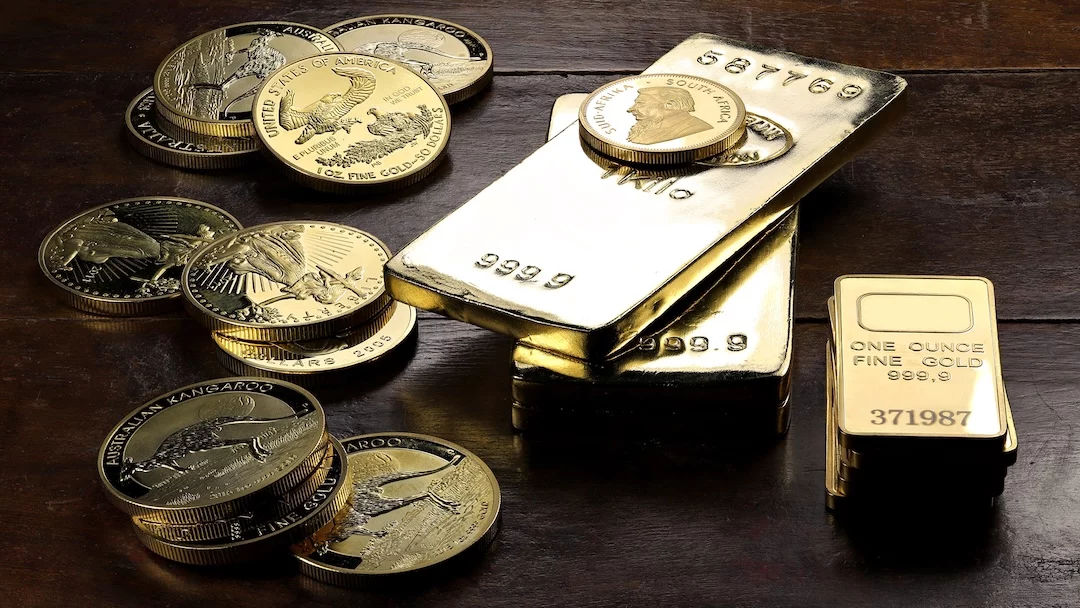
In this type of economic environment, gold often attracts attention. It’s viewed as a safe haven because it tends to move independently of layoffs, earnings cycles, or shifts in monetary policy. When confidence in the broader economy slips, buyers often turn to assets that feel insulated from those pressures. If job losses deepen and uncertainty builds, physical gold’s longstanding reputation for stability could push gold back into focus as households look for ways to anchor themselves against sharper swings ahead.