
Stocks, gold, and bonds have traditionally played different roles in a diversified portfolio. But how well have those roles held up in the 21st century? A closer examination of more than 25 years of market performance reveals some surprising differences in how these assets have responded to economic crises, inflation, and periods of growth.

Inflation Is Already High. Could It Get Worse?
Even as Americans struggle with the rising cost of living, economists warn that inflation pressures could continue building in the months ahead. The Personal Consumption Expenditures (PCE) price index, the Federal Reserve’s preferred measure of inflation,...
Fueling the Inflation Fire: The Hidden Reach of Rising Diesel Prices
Diesel prices have climbed to record highs, creating economic consequences that extend far beyond the fuel pump. Because diesel powers trucking, agriculture, construction, manufacturing, and other critical industries, higher fuel costs can eventually work their way into the prices consumers pay for goods and services throughout the economy.
China’s Gold Purchases Hit Record Levels. What Comes Next?
China has already imported more gold in eight months than it did in all of 2025, adding a powerful source of demand that could help support gold prices over the long term. Between January and August 2026, China imported more than 1,000 metric tons of gold worth a...
Shifting the Balance: BRICS, the Dollar, and the Future of Gold
BRICS is becoming an increasingly important force in the global economy as its members seek greater influence over international trade and finance. With the coalition now encompassing 11 countries, its efforts to build a more multipolar financial system could have significant implications for the U.S. dollar and gold.
Treasury Yields Are Surging. Is Stagflation on the Horizon?
U.S. Treasury yields have surged to levels not seen in nearly two decades, raising concerns that stubborn inflation and higher interest rates could eventually put the economy in a difficult position known as stagflation. Stagflation happens when prices...
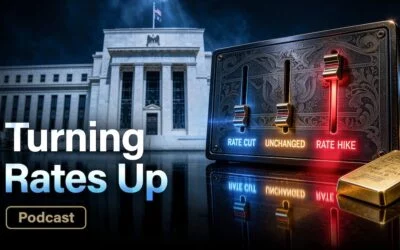
Turning Rates Up: What the Fed’s Rate Decision Means for Markets
The Federal Reserve has raised interest rates for the first time in three years, marking a significant shift in monetary policy as inflation remains stubbornly elevated. The unanimous 25-basis-point increase may only be the beginning, with most Fed policymakers signaling that another increase could follow.
What Happens If the AI Bubble Bursts?
As concerns about an AI bubble grow, economists are examining how a sudden market reversal could affect stocks, the economy, and household finances. Artificial intelligence has helped send stocks higher and sparked a massive wave of spending on data...
Filling the Vaults: Why China Keeps Buying Gold
China’s central bank added 20 tonnes of gold in August alone, and India, Poland, Korea and the Czech Republic are buying too. Why are nations adding physical gold to their reserves, what does this global shift mean for gold’s long-term outlook, and why are central banks increasingly reconsidering where they store their gold.
The Return of $100 Oil Raises the Stakes for the Economy
Oil prices have surged back above $100 per barrel as escalating conflict in the Middle East is disrupting global energy supplies and raising concerns that higher costs could persist well into the future. Goldman Sachs has warned...
No Easy Choice: The Fed’s September Rate Decision
On this episode of America’s Gold Authority® Podcast, host Mike Barnes is joined by Philip N. Diehl, President of U.S. Money Reserve and former Director of the U.S. Mint, and Brad Chastain, U.S. Money Reserve’s Managing Director and Global Head of Research, to examine the Federal Reserve’s approaching September rate decision and whether Chairman Kevin Warsh will follow through on his tougher rhetoric regarding inflation.
Dutch Central Bank Moves Billions in Gold Out of U.S.
The Dutch central bank, De Nederlandsche Bank (DNB), has shifted approximately 86 metric tons of gold, worth roughly $12 billion, out of the United States and Canada and into the Bank of England. The move, which took place between March and August 2026, is aimed at...