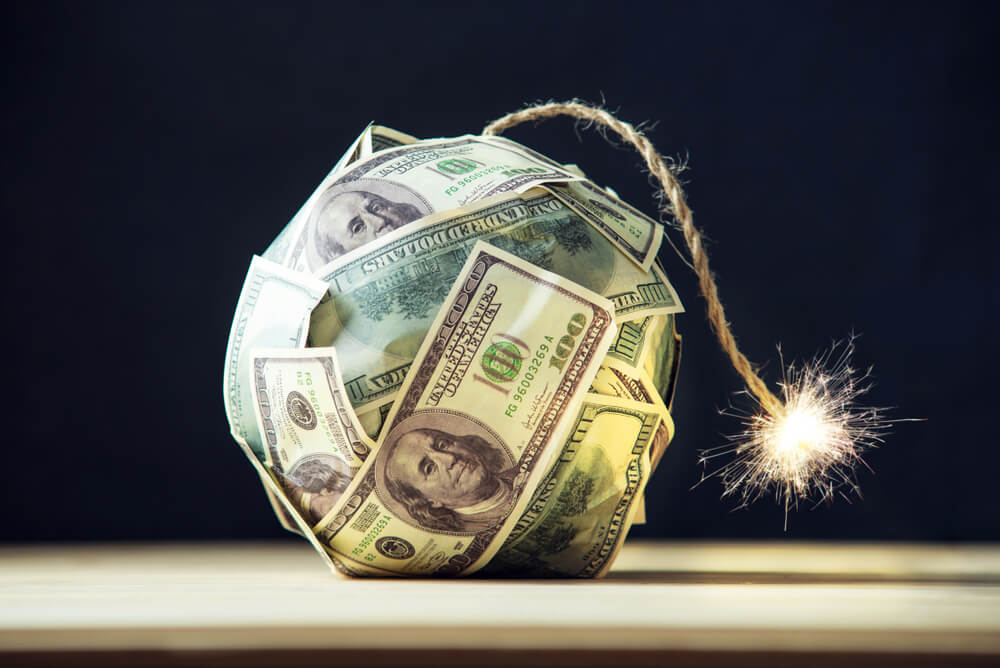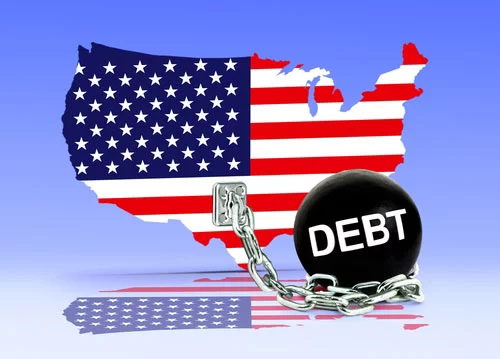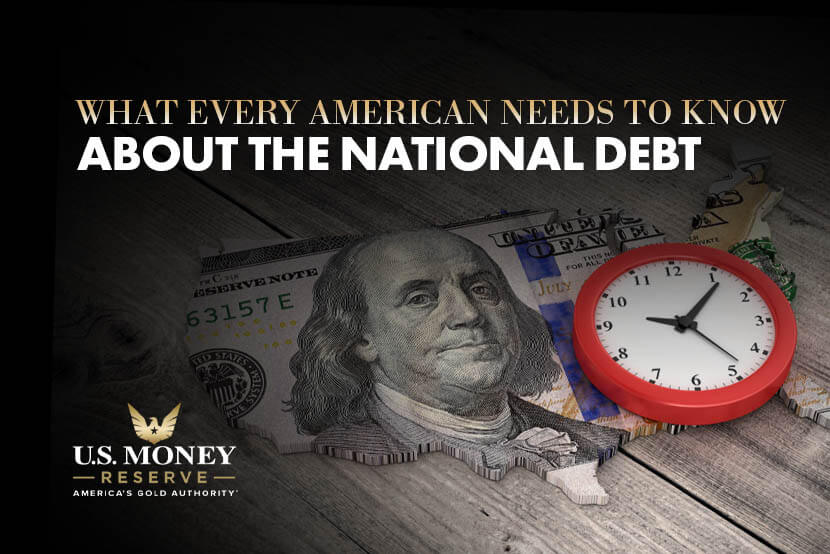
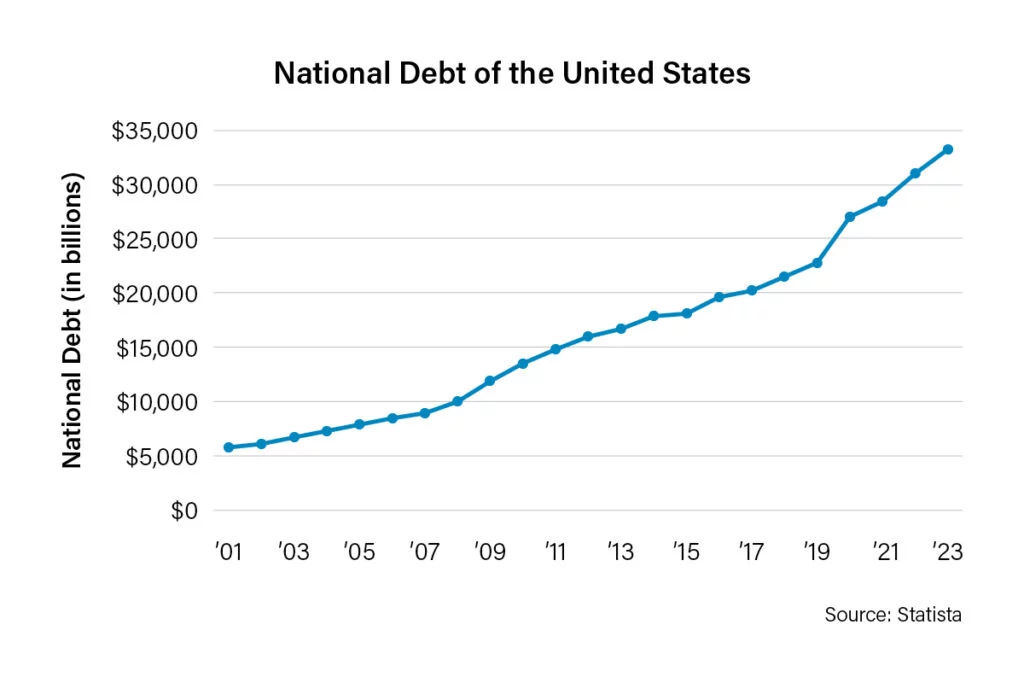
Thirty-four trillion dollars. That’s how much our country owes holders of U.S. Treasury debt—and that’s double what we owed only 15 years ago.
The last time the United States ran budget surpluses was from 1997 to 2001. I remember it well. I was Mint Director at the time. The national debt was under $6 trillion dollars. Today, the national debt is six times larger.
How did we get from budget surpluses that were reducing the national debt to deficits that added $28 trillion to our debt?
I can answer that question because I was there. I served as staff director of the Senate Finance Committee, chief of staff at the U.S. Treasury, and Director of the U.S. Mint.
It’s not a complicated story.
We rejected hard-earned fiscal discipline and blew up the budget with unfunded tax cuts, wars, and national security spending. Then came the huge economic stimulus programs following the Global Financial Crisis and the COVID-19 pandemic. And, of course, there are the ever-escalating costs of Social Security and Medicare.
I remember one senior government official saying, “Deficits don’t matter” and a Treasury Secretary losing his job because he continued to act as if they do matter.
But the truth is, “deficits don’t matter”—politically, that is. Who pays a political price for cutting taxes, increasing defense spending, and increasing Medicare and Social Security benefits? I can’t think of anyone off hand. But I can give you the names of lots of people who have paid a political price for exercising budget discipline.
Politicians take note when the voters’ message is: No good deed goes unpunished.
Where does that leave us now?
The loss of fiscal discipline has caused the national debt to rise to $34 trillion, and the nonpartisan Congressional Budget Office predicts that the debt will rise from 97% of gross domestic product (GDP) to 166% of GDP by 2054.
In recent days, global ratings agency S&P confirmed its strong “AA+” long-term credit rating on U.S. government debt and kept the outlook on its rating as “stable.” Fitch has done the same.
How are these strong ratings possible as we’re running up debts that are widely viewed as unsustainable?
S&P attributed it to a “resilient economy with solid growth,” to “monetary policy flexibility,” and to the dollar being the world’s reserve currency.
Indeed, we do have the strongest economy in the world. We used to think China would soon catch up to us, but its economy is approaching basket-case status these days.
Indeed, we have the strongest currency in the world, and despite the headlines we see, the dollar is likely to retain that status in the foreseeable future.
But a day of reckoning will come. We have a track record of ignoring problems until disaster strikes. We can’t afford to do that in this case. In the final analysis, we give our Washington representatives their jobs, and we can take them away. “We the People” retain that power.
But until that day comes, savvy individuals are hedging their bets on this debt-fueled asset bubble that many analysts believe is approaching unsustainable levels.
What safe-haven assets are savvy consumers turning to for protection?
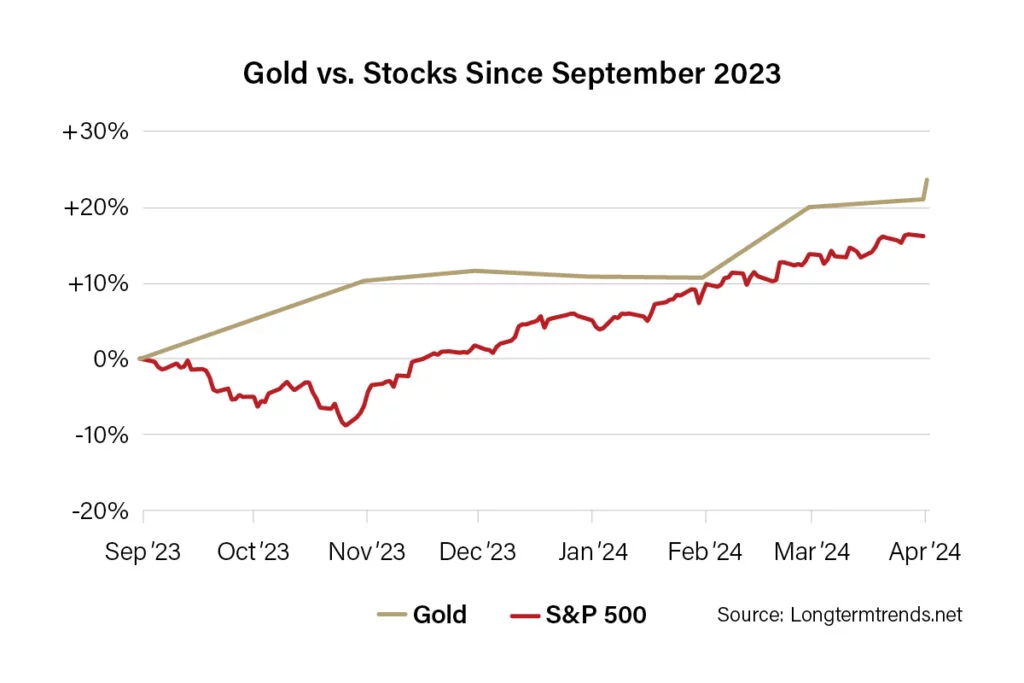
Physical gold, of course. Gold has rallied more than $400/oz. over the past six months. That’s an annualized price increase of 45%, just a hair less than the S&P 500 over the same period.
Savvy buyers are telling us important information with these numbers. They know this rally has a long way to go. We should be paying attention.